
Table of Contents
- Why Species-Specific Care Matters for Exotic Pets
- Small Pet Habitat Setup: Temperature, Humidity, and Escape Prevention
- Exotic Pet Care Tips: Diet, Feeding Schedules, and Fresh Water
- Small Pet Enrichment Ideas for Mental Stimulation and Natural Instincts
- Finding an Exotic Pet Veterinarian and Building a Preventive Care Plan
- Recognizing Stress and Signs of Illness in Small Mammals
- Conclusion: Responsible Ownership and Lifelong Learning
- Frequently Asked Questions
Last Updated: October 15, 2026
Why Species-Specific Care Matters for Exotic Pets
Expert guidance for exotic pet owners starts with one uncomfortable truth: a sugar glider is not a small cat, and a rabbit is not a guinea pig with longer ears. At Critter Love® LLC, we have spent years formulating nutrition for sugar gliders, guinea pigs, and rabbits, and the same lesson keeps repeating: general small-pet advice fails exotic animals.

Species-specific care means matching diet, housing, temperature, and handling to the animal in front of you rather than to a generic care sheet.
That distinction matters because exotic pets hide illness well. A prey animal that looks fine in the morning can be critically ill by evening, so owners who understand their species' normal behavior catch problems earlier. Below, we break down habitat setup, nutrition, enrichment, veterinary preventive care, and the warning signs that mean a vet visit today, not next week.
Small Pet Habitat Setup: Temperature, Humidity, and Escape Prevention
A proper small pet habitat setup comes down to three things: the right enclosure size, stable temperature and humidity, and an enclosure the animal cannot defeat.
Matching the Enclosure to the Species
General advice says "get a big cage." Useful advice says what big means for the animal in front of you.
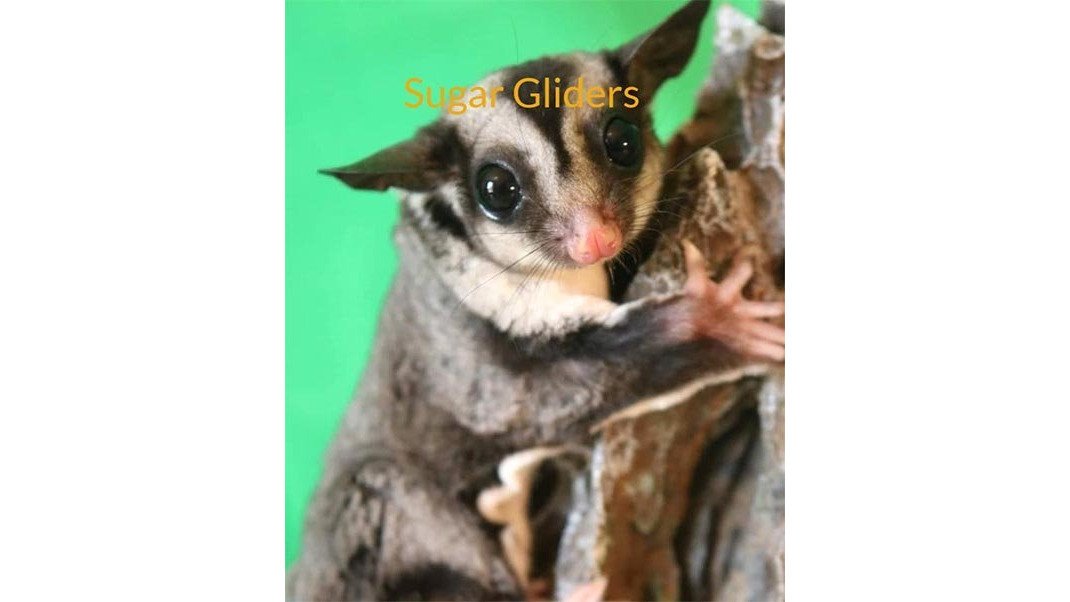
- Sugar gliders are arboreal and glide, so height matters more than floor area. A tall enclosure with vertical climbing surfaces, branches at multiple levels, and a pouch near the top lets them move the way they evolved to move. Horizontal space helps, but a wide, short cage wastes their strongest instinct.
- Guinea pigs are ground dwellers that run laps when they feel safe. A wide, open floor plan with a solid bottom and a hideout at one end gives them a runway. Multi-level cages marketed for guinea pigs are usually a poor fit because guinea pigs are not built for climbing and can fall.
- Rabbits need to stand fully upright on their hind legs without their ears touching the top, plus enough length to take several hops in a row. A hiding box and a litter area should both fit without crowding the open floor.
Temperature, Humidity, and Lighting by Species Group
Temperature and humidity should stay consistent, away from drafts, direct sun, and heating vents. What "consistent" means depends on the species group.
- Small mammals (sugar gliders, guinea pigs, rabbits) generally do best at steady room temperatures with good ventilation and no dramatic swings. Guinea pigs and rabbits tolerate cool better than heat, and heat stress is a real risk in warm rooms. Sugar gliders are sensitive to cold and to drafts.
- Reptiles need a temperature gradient, not a single number: a warm basking zone at one end and a cooler zone at the other, so the animal can regulate its own body temperature. Many species also need UVB lighting to support calcium metabolism, and the bulb must be replaced on the schedule the manufacturer specifies because UVB output fades before the light visibly dims.
- Amphibians generally need higher humidity and cooler temperatures than reptiles, and they absorb things through their skin, so water quality and clean substrate matter as much as air conditions.
Monitoring: Measure, Don't Guess
A thermometer and hygrometer mounted inside the enclosure, at the level where the animal actually spends its time, tell you more than any care sheet. Check readings at the warmest and coolest parts of the day for the first week after any setup change, then spot-check regularly.
- Enclosure sized to the species, not to the shelf it sits on
- Thermometer and hygrometer mounted inside, not guessed
- Temperature gradient available for reptiles; UVB bulb fresh and on schedule
Escape Prevention Is Species-Specific
Escape prevention is not paranoia. Sugar gliders are escape artists that can squeeze through gaps that look far too small, and rabbits will chew through soft materials given a quiet afternoon. Know your animal's two strongest escape tools, for a glider it is squeezing and climbing, for a rabbit it is chewing and digging, and build against those specifically.
Exotic Pet Care Tips: Diet, Feeding Schedules, and Fresh Water
Diet is where exotic pet care tips matter most, because nutritional mistakes compound silently over months.
Fresh water and a consistent feeding schedule matter as much as the food itself. Offer clean water daily, feed at the same times, and introduce any diet change gradually rather than swapping everything overnight.
Sugar Glider Care & Information →
This is the area where we put most of our work at Critter Love®.

| Species | Core Diet Need | Feeding Rhythm | Watch For |
|---|---|---|---|
| Sugar gliders | Protein, calcium, balanced staple | Consistent daily schedule | Coat, weight, energy changes |
| Guinea pigs | Constant vitamin C, hay, fresh veg | Hay always available | Drooling, weight loss |
| Rabbits | High fiber, unlimited hay | Hay always available | Small or missing droppings |
Small Pet Enrichment Ideas for Mental Stimulation and Natural Instincts
Enrichment is not a luxury for exotic pets; it is preventive care for behavior problems. Small pet enrichment ideas work best when they let the animal perform a natural instinct rather than just play with a toy. Sugar gliders want to climb, glide, and investigate. Guinea pigs want to forage and hide. Rabbits want to dig, chew, and explore.
Match the Enrichment to the Instinct
- Sugar gliders: vertical climbing structures, hanging pouches, and foraging opportunities that make them work for food. Gliding and climbing are their core drives, so enrichment that keeps them on the floor misses the point.
- Guinea pigs: hiding spots, tunnels to run through, and scatter-fed vegetables that turn mealtime into foraging. Guinea pigs are prey animals, so a hideout they can retreat to is not optional, it is what makes the rest of the enclosure feel safe enough to use.
- Rabbits: dig boxes, safe chew items, and objects to push and toss. Chewing is not a hobby for a rabbit; it is how their teeth stay worn and how they investigate the world.
Rotate enrichment rather than leaving everything in the enclosure at once. A foraging toy that disappears for a week and returns feels new again, and rotation keeps mental stimulation high without buying more. Bonding pouches serve double duty: they give small mammals a secure, warm place to settle while you handle them, which lowers handling stress for both of you.
Reading Behavior: Normal vs. Stress vs. Illness
Most guides tell you to enrich your pet. Fewer tell you how to read what the behavior is saying. The same action can mean different things depending on context, so watch for changes from your animal's own baseline rather than from a generic list.
- Normal: a rabbit flopping onto its side to rest, a guinea pig popcorning when excited, a sugar glider chattering and exploring at night.
- Stress or unmet instinct: over-grooming to the point of bald patches, pacing the same path repeatedly, bar-biting or cage-chewing, hiding far more than usual, or new aggression toward a cage mate.
- Possible illness: lethargy that does not lift, refusing favored foods, droppings that change size or number, or a posture that looks hunched or tense.
When you see a behavior change, ask three questions: did the environment change, did the diet change, and how long has this been going on?
A Simple Welfare Check
Once a week, run a short welfare assessment on your animal and its setup:
- Is the animal using the full enclosure, or staying in one corner?
- Are there enrichment items it ignores completely? If so, the item may be wrong for the species.
- Has appetite, droppings, or activity changed from last week?
Finding an Exotic Pet Veterinarian and Building a Preventive Care Plan
An exotic pet veterinarian is not optional, and not every clinic has one.
A preventive care plan should include an initial wellness exam, routine weight tracking at home, fecal parasite screening where your vet recommends it, and a written record of everything your animal eats and how it behaves.
What most guides miss is that the health log is the diagnostic tool.
Recognizing Stress and Signs of Illness in Small Mammals
Small mammals mask illness until they cannot, so subtle changes are the real signal. Stress in exotic pets shows up as hiding more, refusing food, over-grooming, pacing, or aggression that was not there before.
Sugar Glider Care & Information →
- Appetite: any drop lasting more than a day
- Droppings: smaller, fewer, softer, or absent
- Weight: steady loss over days or weeks
Call your exotics vet the same day if you see labored breathing, a rabbit that has stopped producing droppings, a guinea pig that will not eat, or any animal that cannot stand or right itself.
Conclusion: Responsible Ownership and Lifelong Learning
Responsible ownership is a commitment to keep learning, because exotic animal care keeps improving and your animal's needs change with age.
If you keep sugar gliders, guinea pigs, or rabbits, our small pet nutrition and accessories are built for exactly those animals, and our care guides cover the details that generic advice skips. Start with the species, then the setup, then the diet.
Frequently Asked Questions
What does an exotic pet need to stay healthy?
Exotic pets need species-specific nutrition, a properly sized habitat with correct temperature and humidity, daily enrichment, fresh water, and regular veterinary checkups. Each species has unique requirements: sugar gliders need a staple diet with adequate calcium, guinea pigs need constant access to hay and vitamin C, and rabbits need unlimited grass hay for dental health. Meeting these needs prevents common ailments and supports natural instincts.
How do I find a veterinarian experienced with exotic pets?
Search for an exotic pet veterinarian who lists avian, reptile, or small mammal experience on their website. Call ahead and ask how many patients of your pet's species they treat weekly. Ask whether they have diagnostic equipment sized for small patients, such as a pediatric scope or small blood tubes. Establishing a relationship before an emergency saves critical time later.
What should I include in an exotic pet's habitat?
A proper small pet habitat setup includes a secure enclosure with species-appropriate bedding, hiding spots, a water source, food dishes, and enrichment items like tunnels or climbing structures. Temperature and humidity should match your pet's natural environment. Escape prevention matters for animals like sugar gliders and hamsters. Clean the enclosure regularly to prevent parasite and bacterial issues.
How can I tell if my exotic pet is stressed or unwell?
Signs of illness include changes in appetite, weight loss, lethargy, abnormal droppings, labored breathing, and hiding more than usual. Stress may show as over-grooming, pacing, or aggression. Weigh your pet weekly and track eating habits. Any sudden behavior change warrants a call to your exotic pet veterinarian. Early detection improves outcomes for small mammals and other exotic animals.
What are safe enrichment activities for small pets?
Safe small pet enrichment ideas include foraging puzzles, chew-safe wood blocks, tunnels, bonding pouches, and supervised exploration in a pet-proofed area. Rotate toys weekly to maintain novelty and mental stimulation. Avoid materials that splinter or contain toxic dyes. Enrichment reduces stress and supports natural instincts like burrowing, climbing, and foraging.
How often should exotic pets have veterinary checkups?
Most exotic pets benefit from a wellness exam every six to twelve months. Senior animals or those with chronic conditions may need checkups every three to six months. Annual fecal testing and weight tracking help catch parasite or dental problems early. Preventive care visits cost less than emergency treatment and help your veterinarian establish a baseline for your pet's health.


