
Table of Contents
- What Defines a Healthy Nigerian Dwarf Goat
- Nigerian Dwarf Goat Health Screening You Should Request
- Evaluating Farm Conditions and Goat Temperament
- Understanding the Cost of Nigerian Dwarf Goats
- Transportation, Shipping, and Pickup Logistics
- Beginner Guide to Raising Nigerian Dwarf Goats: First Steps
- Conclusion
- Frequently Asked Questions
Last Updated: September 6, 2026
What Defines a Healthy Nigerian Dwarf Goat
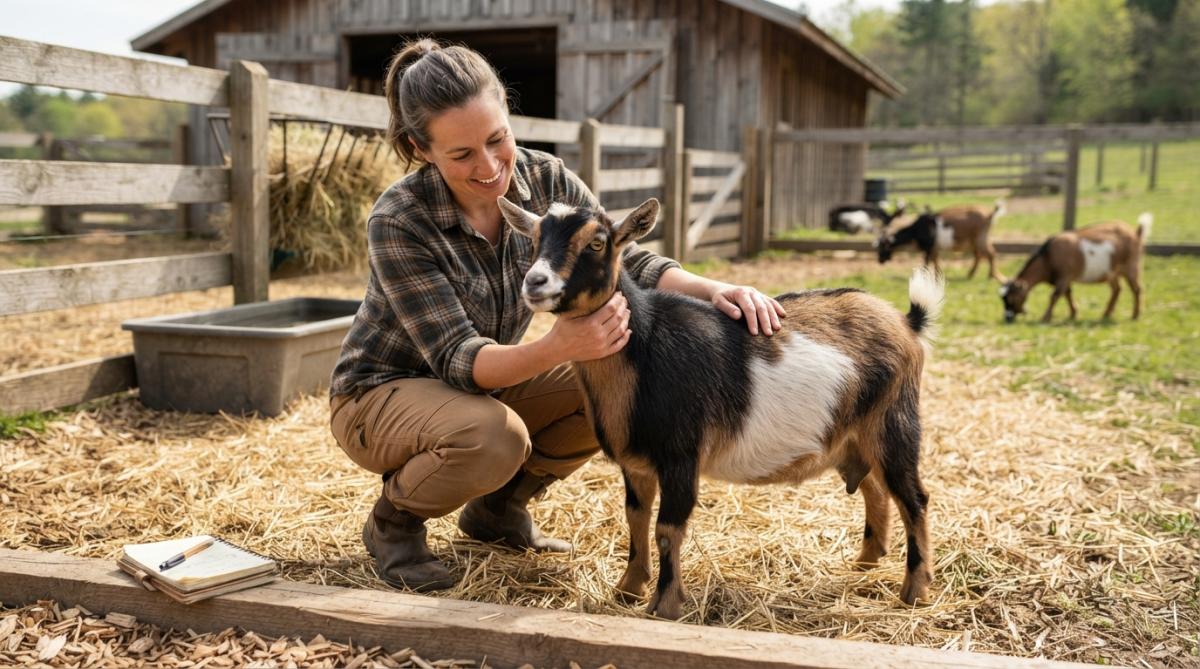
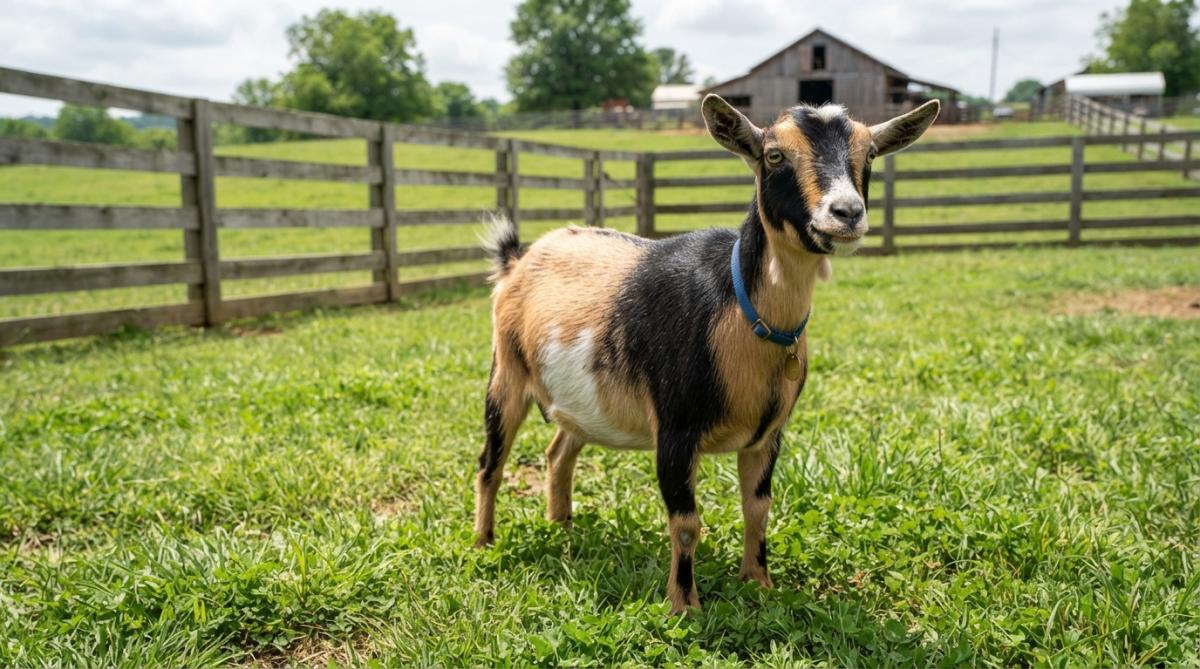
A healthy Nigerian Dwarf goat is alert, curious, and quick to approach you at the fence line. When you are searching for where to buy healthy nigerian dwarf goats, the animal's physical condition and behavior tell you more than any photo or description ever could. Look for bright, clear eyes without discharge, a smooth coat free of bare patches or heavy dandruff, and a nose that shows no signs of crusting or mucus.
The goat should move freely without stiffness, and its body condition should feel substantial, not bony or bloated. A healthy Nigerian Dwarf stands square on all four legs with a straight back and a confident posture. Wethers and does alike should show curiosity when you enter their space, while a goat that hides in the corner or refuses to approach may be signaling underlying health problems.
Nigerian Dwarf goats are a miniature dairy breed known for their friendly, playful personalities and compact size, making them a perfect fit for hobby farms, small homesteads, and families. Because they are small, buyers sometimes overlook the importance of a thorough health evaluation, but these goats face the same disease risks as full-sized livestock. At Critter Love® LLC, our available Nigerian Dwarf goats are raised with daily handling so they are socialized and ready to join your family.

Nigerian Dwarf Goat Health Screening You Should Request
A Nigerian Dwarf goat health screening protects your existing herd and your investment, so request documentation before you commit to a purchase. The most critical tests screen for CAE, CL, and Johne's disease, all of which are chronic conditions that can spread to other goats and compromise herd health for years (merckvetmanual.com).

Responsible breeders test their herds annually and will share results willingly. Ask specifically for recent test dates and written documentation from an accredited laboratory. Verbal assurances are not sufficient when you are introducing a new animal to your property.
- CAE (Caprine Arthritis Encephalitis): A viral disease that causes chronic arthritis and can lead to paralysis in kids.
- CL (Caseous Lymphadenitis): A bacterial infection that causes abscesses in lymph nodes and can contaminate your pasture.
- Johne's Disease: A fatal intestinal disease that causes chronic wasting and is difficult to detect in early stages.
Beyond these core tests, ask about the goat's vaccination schedule and deworming history. A healthy Nigerian Dwarf kid should be disbudded, parasite-free, and current on its vaccination schedule before it leaves the farm (extension.org).
Evaluating Farm Conditions and Goat Temperament
The farm environment shapes a goat's health and behavior, so visit in person whenever possible and observe the conditions carefully. Clean, dry shelter with proper ventilation, access to pasture or forage, and visible fresh water indicate a breeder who prioritizes animal welfare over profit.
A goat that has been properly socialized will approach visitors, tolerate handling, and show no signs of fear or aggression. Nigerian Dwarf goats are naturally friendly, and a well-raised kid will be curious about new people rather than skittish. Ask whether the goat was dam-raised or bottle-fed, as this affects bonding and handling ease.
Pay attention to how the breeder interacts with their animals. Do the goats come when called? Does the breeder handle them with confidence and care? A breeder who treats their goats as livestock rather than companions may not provide the daily socialization that produces a friendly, well-adjusted pet. The healthiest Nigerian Dwarf goats come from farms where goat husbandry is a passion, not just a business.
Understanding the Cost of Nigerian Dwarf Goats
The purchase price is just the entry ticket. The real financial commitment is in the long-term care, a factor most farm websites omit entirely. A realistic budget accounts for both the initial outlay and the recurring monthly costs that follow for the goat's entire 10- to 15-year lifespan (peer-reviewed research).
Initial Purchase Price Breakdown
Prices vary significantly based on registration, age, and purpose. At Critter Love® LLC, our Nigerian Dwarf bucklings are priced at $150.00, reflecting our socialization. In the broader market, you can expect to pay more for registered animals with strong pedigrees.
- Wethers (neutered males): Often the most affordable for families seeking a companion. Prices typically range from $100 to $300.
- Unregistered Does: Usually $200 to $400, depending on age and confirmation.
- ADGA Registered Does: A significant step up, often ranging from $500 to $1,500 or more. Proven milkers or does from champion bloodlines command the highest prices.
- Registered Bucks: Similar to does, with high-quality herd sires costing upwards of $1,000.
The Hidden Cost of Ownership: A Monthly Budget
Beyond the purchase price, you must plan for the following recurring expenses. These are not optional; they are essential for maintaining the health you paid for.
Expense Category |
Estimated Monthly Cost (per goat) |
Notes |
|---|---|---|
Feed & Hay |
$30 - $50 |
High-quality grass hay is the staple. Feed costs rise in winter when pasture is unavailable. |
Minerals & Supplements |
$5 - $10 |
Goats require loose minerals formulated specifically for goats, not cattle or sheep. |
Routine Vet & Hoof Care |
$15 - $25 |
This is an average. It covers annual exams, vaccinations, and hoof trims every 6-8 weeks. Unexpected illness will add to this. |
Fencing & Shelter (Amortized) |
$10 - $20 |
Initial setup for secure fencing (at least 4 feet tall) and a dry shelter is a significant upfront cost, but you should set aside a monthly amount for repairs and maintenance. |
Planning for the Unexpected
A critical part of budgeting is establishing an emergency fund. A single visit from a large-animal vet for a sick goat can easily cost $100 to $200 or more, not including medication. Emergency procedures or treatments for conditions like bloat or urinary calculi can run into the hundreds or even thousands of dollars. A common pattern among new owners is underestimating these costs, leading to financial strain when an animal gets sick. A good rule of thumb is to have at least $500 set aside per goat for unforeseen medical expenses.
By understanding the full financial picture, you ensure you are not just able to buy a goat, but are fully prepared to provide for it for its entire life.
Transportation, Shipping, and Pickup Logistics
Transportation is one of the most overlooked aspects of buying Nigerian Dwarf goats, yet it can make or break the experience for a new owner. A goat that travels poorly arrives stressed, which suppresses its immune system and increases the risk of illness during the critical first weeks in its new home.
Plan your logistics before you finalize any purchase. For local pickup, bring a well-ventilated livestock trailer or a secured dog crate for smaller kids. Line the transport area with absorbent bedding and stop frequently on long drives to offer water. For longer distances, ask the breeder about shipping options through licensed livestock transporters who understand the specific needs of goats.
Many breeders offer shipping coordination and can recommend transporters they trust. If you are buying sight unseen, request a video call to see the goat moving and interacting before you pay a deposit. A reputable seller will happily accommodate this request because they want their goats to land in good homes.
Beginner Guide to Raising Nigerian Dwarf Goats: First Steps
Before you build a single fence post or buy a feed bag, you must confirm you are legally permitted to keep goats on your property. This is the most overlooked step in the entire process, and it is the one that can force you to re-home your new animals. Zoning laws and homeowners association (HOA) covenants are the primary reasons new owners fail, not goat care itself.
Step 1: Verify Your Zoning and Local Ordinances
Your first action should be a visit to your local city or county planning department's website. Look for the zoning code or land use ordinance. You are searching for the definition of "livestock" or "agricultural animals" and the specific zoning districts where they are permitted. Many residential zones outright prohibit goats, while others may allow them with specific restrictions.
Key questions to answer from your local ordinances:
- Are goats classified as livestock? If so, they may be banned in residential zones.
- Is there a minimum lot size requirement? Some areas require a minimum of one acre, two acres, or more to keep any livestock.
- Are there setback requirements? This dictates how far any goat shelter or fencing must be from your property line and your neighbor's house.
- Are there limits on the number of animals? Many ordinances cap the number of goats at two or three per property.
- Are wethers (neutered males) treated differently than intact bucks? Some areas ban intact males due to odor concerns but permit wethers.
Step 2: Check Your Homeowners Association (HOA) Rules
If you live in a neighborhood governed by an HOA, its covenants, conditions, and restrictions (CC&Rs) often supersede local zoning laws. These rules can be far more restrictive. Your HOA may have a blanket ban on all farm animals, regardless of what the county allows. Contact your HOA board or property management company and request a copy of the CC&Rs. Look for sections on "Animals," "Pets," or "Livestock." Getting written permission from the HOA before you purchase is a wise move.
Step 3: Talk to Your Neighbors
Even if it is legal, a proactive conversation with your neighbors can prevent future conflict. Goats can be noisy, and their presence may be unexpected. A simple heads-up about your plans can build goodwill and address concerns before they become complaints to local authorities.
Step 4: Prepare the Physical Space
Once you have legal clearance, you can focus on the physical setup. Nigerian Dwarf goats are notorious escape artists, so your fencing is your first line of defense. Use welded wire fencing or electric netting that is at least 4 feet tall. Standard woven wire field fencing is often insufficient, as goats can push through it or climb it. Provide a dry, draft-free, three-sided shelter and plan to get at least two goats, as they are herd animals and will become stressed and destructive if kept alone.
By tackling the legal and zoning requirements first, you ensure your new goats have a permanent, secure home, making the transition smooth for you, your animals, and your community.
Conclusion
Buying Nigerian Dwarf goats is an investment in your homestead's future, and the health of your animals depends on the choices you make before they arrive. Start with a clear understanding of what healthy Nigerian Dwarf goats look like, request proper health screening documentation, and evaluate the farm conditions where your goat was raised.
At Critter Love® LLC, we raise Nigerian Dwarf goats with the same care and attention we bring to our small pet nutrition products. Our bucklings are socialized through daily handling and ready to join families who will love them. With over 10,000 customers and a live animal arrival guarantee, we stand behind every goat we sell.
Frequently Asked Questions
How much should I pay for a Nigerian dwarf goat?
Prices vary based on registration, health testing, and conformation. At Critter Love® LLC, Nigerian Dwarf goats are available for $150.00 each. Expect to pay more for ADGA registered animals from lines with strong milk production or show records. Always confirm what the price includes, such as health records, disbudding, or registration papers, before committing.
What health tests should I ask a breeder for before buying a goat?
Request proof of negative test results for CAE, CL, and Johne's disease from an accredited lab. Ask about the herd's vaccination schedule and deworming protocol. A reputable seller will readily share these records. For healthy Nigerian Dwarf goats, also confirm the animal is free from obvious signs of illness like coughing, diarrhea, or nasal discharge before purchase.
How can you tell if a Nigerian dwarf goat is healthy?
A healthy Nigerian Dwarf goat is alert and active with bright, clear eyes and a clean nose. Its coat should be glossy without bald patches, and its body condition should be neither too thin nor obese. Observe the goat moving to check for lameness. Ask about its appetite and fecal consistency, as these are reliable indicators of digestive health.
What are the disadvantages of Nigerian Dwarf goats?
Nigerian Dwarfs are escape artists, so secure fencing is essential. They are social herd animals and should not live alone, meaning you will need at least two. Their small size does not make them immune to standard goat health issues, and hoof trimming, vaccination, and deworming are ongoing commitments. Check local zoning laws before purchasing.


