
Table of Contents
- Why High Quality Enrichment for House Rabbits Matters
- Rabbit Foraging Activities That Satisfy Natural Instincts
- Safe Rabbit Chew Toys and Materials
- Mental Stimulation for House Rabbits
- Creating a Digging Box and Safe Substrates
- Budget-Friendly vs. Premium Enrichment Options
- Monitoring Your Rabbit's Behavior and Enrichment Needs
- Frequently Asked Questions
Last Updated: September 20, 2026
Why High Quality Enrichment for House Rabbits Matters
Rabbits are prey animals with complex behavioral needs that go far beyond a cage and a food bowl. At Critter Love® LLC, we understand that high quality enrichment for house rabbits isn't a luxury, it's essential to their physical and mental health. Without proper stimulation, rabbits develop destructive behaviors, anxiety, and health problems that owners often mistake for personality flaws.

The reality is simple: a bored rabbit is an unhappy rabbit. Rabbits naturally forage for hours, dig, chew, and explore their environment. When confined to a barren space, they redirect these instincts toward destructive outlets like chewing baseboards, aggressive lunging, or excessive cage pacing. This is where enrichment for house rabbits becomes transformative.
Quality enrichment taps into natural behaviors, reduces stress, supports dental health through safe chewing, and keeps your rabbit's mind sharp. The difference between throwing a few plastic toys in the cage and implementing thoughtful, rotating enrichment is the difference between a rabbit that tolerates captivity and one that thrives in it.
Below, we'll walk you through exactly how to build an enrichment strategy that works, from foraging activities to safe materials, mental stimulation techniques, and how to monitor whether your rabbit is actually benefiting from what you provide.
Rabbit Foraging Activities That Satisfy Natural Instincts
Foraging is hardwired into rabbit behavior. In the wild, rabbits spend most of their day searching for food, digging, and exploring. Captive rabbits need outlets for this instinct or they become frustrated and destructive.
The best foraging activities mimic natural feeding patterns while keeping your rabbit mentally engaged. This means hiding treats, requiring effort to access food, and varying the challenge level.
Interactive Treat-Hiding Toys
Interactive puzzle toys are among the most effective enrichment tools because they combine mental stimulation with reward. When your rabbit works to extract a treat from a toy, they're engaging their problem-solving abilities while satisfying the urge to forage.
The Stuff a Treat toy from Critter Love® LLC is designed specifically for this purpose. You fill it with your rabbit's favorite treats, dried herbs, small pieces of apple, or pellets, and your rabbit works to retrieve them. This single action addresses multiple needs: it keeps them occupied, rewards their natural foraging drive, and encourages dental health through chewing.

Rotate different puzzle toys to prevent boredom. A toy that captivates your rabbit one week may lose appeal if it's always available. The novelty of rediscovery keeps engagement high.
Start with easier puzzles if your rabbit is new to foraging toys. Some rabbits catch on immediately; others need time to understand the concept. Once they do, they'll return to these toys repeatedly.
DIY Foraging Boxes and Substrates
You don't need to buy everything. DIY foraging boxes are inexpensive and highly effective. Fill a shallow cardboard box with hay, crumpled paper, or untreated wood shavings. Hide small portions of pellets or treats throughout the substrate. Your rabbit digs through it, mimicking natural foraging behavior while getting mental stimulation and physical exercise.
This activity satisfies multiple instincts at once: foraging, digging, and exploration. It's also completely safe when you use rabbit-appropriate materials, avoid cedar and pine shavings, which are toxic to rabbits.
Change the substrate every few days to keep it fresh and engaging. Your rabbit will look forward to the novelty.
Safe Rabbit Chew Toys and Materials
Rabbits must chew. Their teeth grow continuously throughout their lives, and chewing wears them down naturally while keeping them healthy. Without appropriate chewing outlets, rabbits develop overgrown teeth, which leads to serious dental disease and eating difficulties.
Safe chew toys serve a dual purpose: they satisfy the natural chewing drive and support dental hygiene. The key is knowing what's safe and what isn't.
Natural Loofa and Cardboard Options
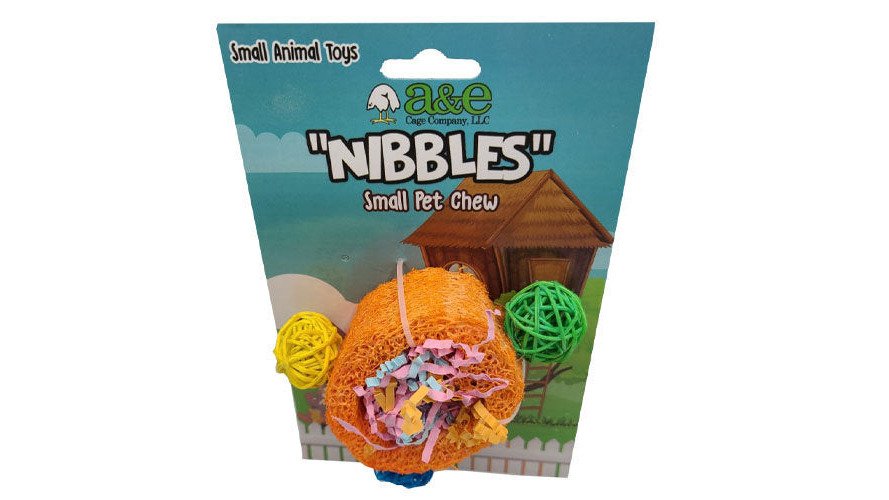
Natural loofa is one of the safest, most effective chew materials for rabbits. It's soft enough not to damage teeth, engaging enough to hold interest, and completely digestible if swallowed in small amounts.
Critter Love® LLC offers several loofa-based toys designed for rabbits. The Sushi Rolls toy features natural loofa in a playful shape that appeals to curious rabbits. The Flower Power toy provides similar benefits with a different design. Both support dental hygiene through regular chewing while reducing anxiety and cage boredom.

Cardboard is another excellent, inexpensive option. Plain cardboard boxes, paper bags, and shredded paper satisfy chewing instincts. Many rabbits love destroying cardboard, which is both enriching and satisfying to watch.
The Cheese Cube Foraging Toy combines chewing with foraging in a single toy. It's crafted from natural, pet-safe chewable material that keeps rabbits engaged for extended periods.
Rotate chew toys regularly. A toy your rabbit loved last month becomes interesting again when reintroduced after a break.
What to Avoid: Unsafe Materials
Not all chew toys are safe for rabbits. Avoid anything with dyes, plastics, or synthetic materials that can cause digestive blockages if swallowed. Plastic toys, even those marketed for small pets, pose serious risks.
Avoid treated wood, which may contain pesticides or chemicals. Cedar and pine shavings are toxic to rabbits and should never be used in any context, not even as bedding.
Don't use toys with small parts that can be chewed off and swallowed. Buttons, bells, and plastic attachments are choking hazards.
Stick to natural materials: untreated wood, cardboard, paper, loofa, and hay-based products. When in doubt, ask yourself: would I be comfortable if my rabbit swallowed a piece of this? If the answer is no, it's not appropriate.
Mental Stimulation for House Rabbits
Mental stimulation is just as important as physical activity for rabbits. Boredom leads to stress, which manifests as destructive behavior, aggression, and health problems. A mentally engaged rabbit is a happier, healthier rabbit.
Mental stimulation comes in many forms: novelty, problem-solving, environmental complexity, and social interaction.
Rotating Toys and Environmental Complexity
The most effective enrichment strategy is rotation. Don't leave all toys available at once. Instead, rotate them on a weekly or bi-weekly schedule. A toy your rabbit ignored for two weeks becomes fascinating when it reappears.
This approach prevents habituation, the tendency for novelty to wear off when something is always present. It also means you need fewer toys overall because each one stays engaging longer.
Create environmental complexity by varying the layout of your rabbit's space. Add platforms, ramps, or obstacle courses that encourage jumping and exploration. Change the position of hideaways and rest areas. Small changes create new experiences that keep your rabbit mentally active.
The Loofa Hide a Cube from Critter Love® LLC is 4 inches square and creates a hiding space that appeals to rabbits' natural desire for shelter. Hideaways reduce anxiety and give rabbits a sense of security, which paradoxically makes them more confident and active in their environment.

Hideaways and Multi-Level Setups
Rabbits are prey animals. They feel vulnerable in open spaces. Providing hideaways, boxes, tunnels, or covered areas, reduces stress and encourages exploration. A rabbit with a safe retreat is more likely to venture out and engage with enrichment.
Multi-level setups add complexity and encourage physical activity. Ramps, platforms, and different heights keep your rabbit moving and exploring. This physical activity supports cardiovascular health and maintains healthy weight.
Combine hideaways with elevated spaces. A rabbit might hide in a box at ground level, then hop up to a platform to survey their territory. This mix of security and exploration creates an engaging environment.
Creating a Digging Box and Safe Substrates
Digging is a core rabbit behavior. In the wild, rabbits dig burrows for shelter and nesting. Captive rabbits retain this instinct strongly. Without an appropriate outlet, they'll dig at your carpet, furniture, and cage flooring, often causing damage and injury to their nails.

A dedicated digging box solves this problem. It's simple, inexpensive, and highly effective.
Create a digging box using a large plastic storage container or cardboard box. Fill it with safe substrate: hay, shredded paper, or untreated wood shavings. Place it in your rabbit's space and let them discover it. Most rabbits take to it immediately.
Change the substrate every few days to keep it fresh. Your rabbit will return to the box repeatedly, satisfying their digging drive while protecting your floors and furniture.
Safe substrates matter. Avoid clay-based litters, which can cause respiratory problems and intestinal blockages. Avoid cedar and pine, which are toxic.
Budget-Friendly vs. Premium Enrichment Options
Enrichment doesn't require a large budget. The most effective tools are often the cheapest.
| Enrichment Type | Cost | Durability | Engagement Level | Best For |
|---|---|---|---|---|
| Cardboard boxes | Under $1 | Low (1-2 weeks) | Very high | Immediate enrichment, rotation |
| DIY digging boxes | $5-10 | Medium (1-2 months) | High | Satisfying digging instinct |
| Loofa toys (Critter Love) | $7-10 | High (2-3 months) | High | Long-term investment |
| Premium hideaways (Critter Love) | $22-26 | High (6+ months) | High | Lasting security and exploration |
| Puzzle toys (Critter Love) | $8-14 | Medium (1-2 months) | Very high | Mental stimulation |
Monitoring Your Rabbit's Behavior and Enrichment Needs
Enrichment only works if your rabbit is actually using it. Monitoring behavior tells you whether your strategy is effective and helps you adjust as needed.
Frequently Asked Questions
What is the best enrichment for rabbits?
The best enrichment for house rabbits combines multiple elements: interactive foraging toys that tap into natural behaviors, safe chewing materials like natural loofa and cardboard, hideaways for security, and regular rotation of toys to prevent boredom. High quality enrichment should support dental health through chewing, encourage natural digging and foraging instincts, and provide mental stimulation. Products like Stuff a Treat ($8.25) let you hide treats inside for discovery, while loofa-based toys support dental hygiene while reducing anxiety.
How often should I rotate enrichment activities for my rabbit?
Rotate enrichment toys and activities every 3-7 days to maintain novelty and prevent habituation. Rabbits are intelligent and quickly lose interest in static environments. Keep some favorites permanently available, but introduce new or previously-used items on a regular schedule. This approach keeps cognitive stimulation high and reduces destructive behavior driven by boredom. A rotation schedule ensures your rabbit stays mentally engaged without overwhelming them with constant change.
What are some safe DIY enrichment items for rabbits?
Commercial options like Cheese Cube Foraging Toy ($13.75) offer pre-vetted safety, combining natural chewable material with enrichment benefits.
How can I tell if my rabbit is bored?
If your rabbit shows signs of boredom, introducing interactive foraging toys can help restore mental stimulation and improve overall health.


