
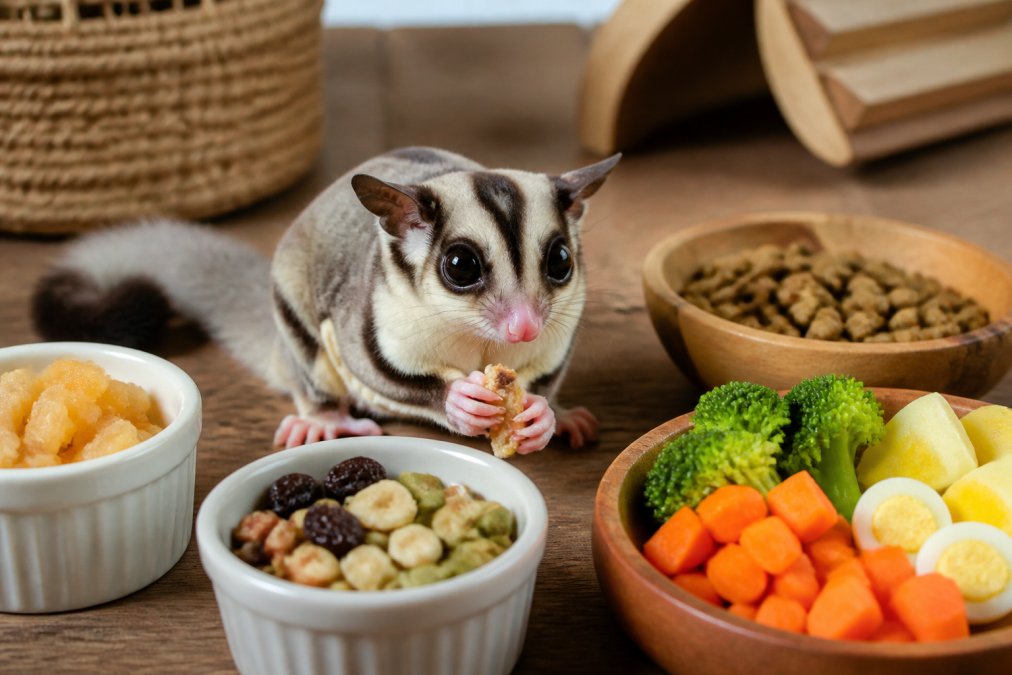
Table of Contents
- Understanding Sugar Glider Nutrition Basics
- Daily Nutritional Requirements for Sugar Gliders
- Sugar Glider Safe Fruits and Vegetables
- Protein Sources and the Leadbeater's Mixture
- Sugar Glider Calcium to Phosphorus Ratio
- Sugar Glider Feeding Schedule and Frequency
- Seasonal Diet Adjustments and Life-Stage Nutrition
- Common Feeding Mistakes and How to Avoid Them
- Frequently Asked Questions
Last Updated: September 3, 2026
Understanding Sugar Glider Nutrition Basics
Sugar glider nutrition is foundational to your pet's health and longevity. These omnivores have specific dietary needs that differ from pet store recommendations; captive diets must replicate the variety and balance they'd find in the wild.
Sugar gliders naturally consume insects, tree sap, nectar, and fruit. Replicating this dietary diversity at home requires planning; the difference between a surviving and thriving glider comes down to diet quality and consistency.
Daily Nutritional Requirements for Sugar Gliders
Adult sugar gliders need approximately 15-20% of their body weight in food daily (a 4-ounce glider needs roughly 1 ounce), split between main diet and treats, though individual metabolism varies (peer-reviewed research).
Protein should comprise 15-20% of adult diets (higher for juveniles and breeding females). Fresh produce should account for 25-50% of daily intake, with the remainder split between staple diet and protein sources. Water must always be available; dehydration poses serious health risks.
Calcium and phosphorus balance deserves special attention early on. These minerals work together to support bone health, muscle function, and metabolic processes. An improper calcium-to-phosphorus ratio can lead to metabolic bone disease, a serious condition that develops silently before symptoms appear.
Sugar Glider Safe Fruits and Vegetables
Recommended Fresh Produce
Fresh produce provides essential vitamins, minerals, and hydration. Rotate through approved options to maximize diversity and prevent boredom. Leafy greens like kale, collard greens, and dandelion greens are nutrient-dense staples that support proper calcium-to-phosphorus ratios.
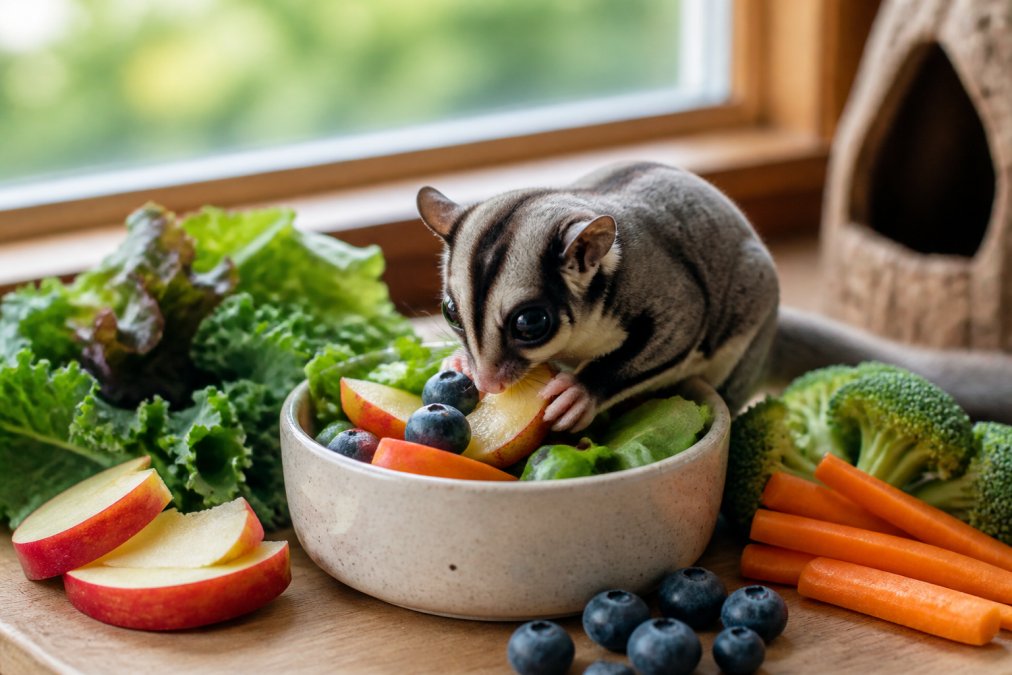
Fruits should be offered sparingly due to sugar content. Apples, berries, and melons are safe in small portions. Fruit is a supplement, not a staple; treating it as primary food causes nutritional imbalances and weight gain.
Vegetables like sweet potato, squash, and carrots provide fiber and micronutrients. Rotate weekly to expose gliders to different nutrient profiles and prevent strong food preferences.
Foods to Avoid Completely
Never offer chocolate, avocado, xylitol-containing foods, onions, or garlic, these are toxic and can cause serious harm or death (aspca.org).
Avoid high-salt and high-sugar processed foods, commercial pet treats, and human snacks. Remove seeds from fruits like apples before offering.
Most sugar gliders are lactose-intolerant; avoid milk and cheese. Small amounts of yogurt may be tolerated occasionally.
Protein Sources and the Leadbeater's Mixture
Making Leadbeater's Mixture at Home
Leadbeater's mixture is a staple formulation combining eggs, honey, and vitamin-fortified ingredients in proportions that support health. Exact ratios matter to prevent nutritional imbalances.
A basic formula combines raw eggs, honey, wheat germ, and vitamin powder; some add bee pollen and brewer's yeast. Prepare fresh weekly and refrigerate; portion into small containers for daily use.
Mix ingredients thoroughly to ensure even vitamin distribution. Consistency matters, too thick is difficult to serve, too thin makes nutritional value unclear.
Protein sources include crickets and mealworms, gut-loaded before offering (fed nutritious food that transfers nutrients to your pet). Live insects provide enrichment and support natural foraging instincts.
Sugar Glider Calcium to Phosphorus Ratio
An ideal calcium-to-phosphorus ratio is 1.5:1 to 2:1 (peer-reviewed research). Many commercial diets and fresh foods skew toward higher phosphorus, gradually depleting calcium stores.
This imbalance shows no immediate symptoms; by the time metabolic bone disease appears, damage is significant. Prevention through proper balance is far easier than treatment.
Supplemental calcium powder becomes essential when relying heavily on fresh produce or commercial pellets alone. Dusting vegetables with calcium carbonate powder ensures adequate intake. The frequency of supplementation depends on your overall diet composition, if you're using a balanced staple diet like Leadbeater's mixture, less additional supplementation is needed.
Sugar Glider Feeding Schedule and Frequency
Portion Control and Body Weight
Feed sugar gliders once daily in the evening, aligning with their nocturnal nature. This timing promotes natural feeding behaviors, better digestion, and energy for nighttime activities.
Monitor portions based on individual body weight and metabolism. Weigh monthly using a kitchen scale; regular tracking prevents gradual weight gain.
Remove uneaten food after several hours to prevent spoilage and bacterial growth, especially with Leadbeater's mixture in warm conditions.
Transitioning to a New Diet Safely
Transition diets gradually over 7-10 days to avoid digestive upset. Start with 75% old diet and 25% new, then gradually increase the new diet proportion.
Monitor behavior and stool consistency; loose stools indicate too-rapid transition. Patience is essential, rushing often results in food refusal.
If refusal persists after gradual transition, try adding honey or offering at a different time. Persistence and patience usually succeed.
Seasonal Diet Adjustments and Life-Stage Nutrition
Nutrition varies across a sugar glider's lifespan. Joeys, breeding adults, and seniors have distinct metabolic demands requiring targeted adjustments.
Nutrition for Joeys (Birth to 6 Months)
Joeys transitioning from the pouch to independent feeding require significantly higher protein and calcium than adults to support rapid skeletal and muscular development. During this period, bone density is establishing, and inadequate calcium intake creates a permanent deficit that cannot be fully corrected later.
Protein requirements: Joeys need 20-25% of their diet to be protein sources, compared to 15-20% for adults. This higher proportion supports muscle development and metabolic demands of rapid growth. Increase the frequency of live insects (crickets, mealworms) and ensure Leadbeater's mixture is prepared with extra eggs to boost protein content.
Calcium supplementation: Dust fresh vegetables with calcium carbonate powder at every feeding during the joey stage, not just 3-4 times weekly as with adults. The margin for error is smaller, and metabolic bone disease develops silently during this critical window. A joey that appears healthy at 3 months may show severe bone deformities by 8 months if calcium intake was inadequate.
Feeding frequency: Joeys benefit from two smaller meals daily rather than one large evening meal. Offer a portion of Leadbeater's mixture or protein-rich fresh foods in late afternoon, then the main meal in early evening. This split feeding supports their higher metabolic rate and prevents energy crashes during active growth periods.
Fresh produce introduction: Introduce new fruits and vegetables gradually during the joey stage. Start with mild options like apple, pear, and leafy greens. Avoid high-acid fruits initially, as developing digestive systems are sensitive. By 4 months, joeys can tolerate the full range of approved produce.
Nutrition for Breeding Adults
Breeding females experience dramatically increased nutritional demands during pregnancy and lactation. Inadequate nutrition during these periods affects joey survival rates, birth weights, and long-term health of both mother and offspring.
Pre-breeding conditioning: Before breeding, ensure females are at optimal body weight (typically 90-110 grams for healthy females) and receiving consistent, high-quality nutrition. Females that are underweight or malnourished have lower conception rates and higher miscarriage risk.
Pregnancy nutrition (days 1-12 of gestation): Increase protein intake to 25-30% of total diet. Add an extra serving of insects or Leadbeater's mixture daily. Calcium supplementation should increase to daily dusting of all vegetables. Many breeders add a small amount of bee pollen to Leadbeater's mixture during this period for additional micronutrients.
Lactation nutrition (weeks 2-8 post-birth): Lactating females have the highest nutritional demands of any life stage. Caloric intake should increase by 30-50% compared to non-breeding adults. Protein should remain at 25-30%. Calcium supplementation remains critical; nursing depletes maternal calcium stores rapidly. Some breeders offer calcium-fortified yogurt (a teaspoon, 2-3 times weekly) as an additional calcium source during peak lactation.
Hydration during lactation: Ensure water is always available and fresh. Lactating females require significantly more water than non-breeding gliders. Some breeders add a water bottle in addition to a water bowl to ensure constant access.
Post-weaning transition: When joeys are fully weaned (typically 8-10 weeks), gradually reduce the breeding female's caloric and protein intake over 1-2 weeks. Abrupt reduction can cause stress and behavioral issues. Return to standard adult nutrition levels once joeys are completely independent.
Breeding males: While males don't experience the metabolic demands of pregnancy and lactation, they benefit from slightly elevated protein (18-22%) during active breeding seasons. This supports reproductive health and sperm production.
Nutrition for Senior Gliders (5+ Years)
As sugar gliders age, their metabolism slows and their nutritional needs shift. Senior gliders often experience dental wear, reduced digestive efficiency, and changing activity levels that require dietary adjustments.
Portion reduction: Senior gliders typically require 10-15% fewer calories than younger adults due to reduced activity levels and slower metabolism. Monitor weight monthly; many seniors gain weight on portions appropriate for younger gliders. Adjust portions downward if weight creeps above the normal range for your individual glider.
Texture modifications: Dental wear is common in gliders over 5 years old. Soften Leadbeater's mixture slightly with additional liquid (water or unsweetened applesauce) to make it easier to consume. Finely chop or mash vegetables rather than offering them in large chunks. Offer softer fruits like banana, papaya, and melon rather than harder options like apple.
Protein maintenance: Despite lower overall caloric needs, protein intake should remain at 15-20% to support muscle maintenance. Muscle loss accelerates in senior gliders, and adequate protein helps preserve lean body mass. Offer softer protein sources like finely ground insects or well-cooked egg if dental issues make consuming whole insects difficult.
Calcium and phosphorus balance: Senior gliders are at higher risk for metabolic bone disease if calcium intake becomes inadequate. Continue daily calcium supplementation and monitor for signs of bone weakness or mobility issues. Some seniors benefit from slightly increased calcium supplementation (dusting at every meal rather than 4-5 times weekly).
Digestive support: Senior gliders often have reduced digestive efficiency. Offer foods that are easier to digest, such as well-cooked vegetables and finely processed Leadbeater's mixture. Some owners add a small amount of unsweetened applesauce to meals to support digestive health, though this should not exceed 10% of total intake.
Monitoring for health changes: Senior gliders are more susceptible to illness and nutritional deficiencies. Weigh your glider monthly and track appetite changes carefully. A sudden decrease in food intake or weight loss can indicate underlying health issues requiring veterinary attention.
Seasonal Produce Rotation
Beyond life-stage adjustments, seasonal availability of fresh produce offers an opportunity to optimize nutrition year-round. Rather than fighting seasonal variation, work with it by rotating produce based on what's fresh and in season.
Spring (March-May): Leafy greens are abundant and nutrient-dense. Prioritize collard greens, dandelion greens, and kale. Fresh berries begin appearing; offer in moderation. Asparagus and peas provide seasonal variety.
Summer (June-August): Maximum fruit and vegetable availability. Rotate through melons, berries, stone fruits, and summer squash. This is an ideal time to introduce variety and expose gliders to different nutrient profiles. Increase fresh produce portions slightly due to higher water content and lower caloric density.
Fall (September-November): Transition to heartier vegetables like sweet potato, winter squash, and root vegetables. Apples and pears are abundant. Reduce fruit portions slightly as gliders prepare for lower activity in winter months.
Winter (December-February): Rely more heavily on stored produce and frozen options. Frozen vegetables retain most nutritional value and are acceptable alternatives when fresh options are limited or expensive. Increase reliance on Leadbeater's mixture and protein sources, which are less seasonal. Some owners increase caloric intake slightly during winter to support higher energy needs in cooler environments.
Seasonal rotation naturally provides nutritional variety and reduces the cost of maintaining a high-quality diet year-round.
Common Feeding Mistakes and How to Avoid Them
The most frequent mistake is relying too heavily on a single food source. Rotate through different approved foods weekly to prevent deficiencies and maintain engagement.
Inconsistent feeding times disrupt natural rhythm and create stress. A consistent evening schedule reduces anxiety and helps you monitor intake for health changes.
Treats should comprise no more than 10-15% of daily intake. Bulk nutrition should come from primary diet (commercial formulation or Leadbeater's mixture), supplemented with fresh produce and occasional protein.
Research before dietary changes. What works for one glider may not suit another due to differences in metabolism and preferences.
Feeding your sugar gliders properly transforms their energy levels, coat quality, and overall health in ways that become obvious within weeks. The investment in understanding sugar glider nutrition pays dividends throughout your pet's life. Critter Love® LLC has helped thousands of owners implement balanced nutrition plans that keep their gliders thriving for years. Start with the fundamentals, consistent feeding times, proper portions, dietary variety, and appropriate calcium-to-phosphorus ratios, and your gliders will reward you with vibrant health and active, engaged behavior.
Frequently Asked Questions
What is the recommended diet for a sugar glider?
A complete sugar glider diet combines three main components: a high-protein staple diet (like Leadbeater's mixture or expert-formulated kibble), fresh fruits and vegetables, and live insects for protein. The ratio should be roughly 50% staple diet, 25% fresh produce, and 25% protein sources. This balanced approach prevents metabolic bone disease and supports overall health. Switching to a science-backed formula ensures your glider receives consistent nutrition without gaps that cause nutrient deficiencies.
What foods should sugar gliders avoid?
Sugar gliders must never eat chocolate, caffeine, avocado, onions, garlic, or high-sugar processed foods, as these are toxic. Avoid dairy products, which cause digestive upset, and limit fruit high in oxalates like spinach and rhubarb. Never feed insects caught outdoors, as they may contain pesticides. Skip foods with artificial sweeteners, especially xylitol, which is deadly. Stick to approved fresh produce and protein sources to prevent poisoning and nutritional imbalances that lead to serious health problems.
Do sugar gliders need calcium supplements?
Yes, calcium supplementation is critical. Sugar gliders require a calcium-to-phosphorus ratio of 2:1 to prevent metabolic bone disease, a serious condition that causes hind leg paralysis and bone deformities. Most fresh foods are phosphorus-heavy, so calcium carbonate powder or multivitamin powder with added calcium must be dusted on food 3-4 times weekly. Expert-formulated staple diets like Critter Love Complete already include balanced calcium levels, reducing the need for extra supplementation but not eliminating it entirely.
How often should I feed my sugar glider?
Feed sugar gliders once daily in the evening, as they are nocturnal and most active at night. Provide 1-2 tablespoons of staple diet per glider, plus fresh produce and protein sources. Remove uneaten fresh food within 12 hours to prevent spoilage and bacterial growth. Consistent feeding times support their natural foraging behavior and make monitoring food intake easier, allowing you to catch appetite changes that signal health problems early.
Can I feed my sugar glider the same diet for years without changes?
While a consistent staple diet is important, seasonal adjustments improve health. In winter, increase fat content slightly to support energy needs; in summer, offer more hydrating fresh produce. Young gliders (under 1 year) need higher protein for growth; breeding females need extra calcium; older gliders may need softer foods. Additionally, rotating approved fruits and vegetables prevents nutritional gaps and keeps feeding interesting. Small adjustments based on life stage and season optimize nutrition without disrupting digestion.
How do I transition my sugar glider to a new diet without upsetting their stomach?
Transition over 2-3 weeks by gradually mixing the new diet with the old one. Week 1: 25% new, 75% old. Week 2: 50% new, 50% old. Week 3: 75% new, 25% old. Then fully switch. This slow approach prevents digestive upset and allows your glider's gut bacteria to adjust. Monitor stools for consistency and appetite throughout. If digestive issues appear, slow the transition further or consult a vet experienced with exotic pets. Patience prevents stress and health problems.
This article was written using GrandRanker


