
Table of Contents
- Why Sugar Gliders Develop Hind Leg Paralysis
- The Critical Sugar Glider Diet Calcium to Phosphorus Ratio
- Recognizing Early Sugar Glider Calcium Deficiency Symptoms
- Step-by-Step Diet Transition to Prevent Hind Leg Paralysis
- Hidden Phosphorus Sources and Unsafe Foods to Avoid
- When to Contact an Exotic Veterinarian for Sugar Gliders
- Supportive Care and Recovery After Early Intervention
- Conclusion: Build a Prevention-First Care Routine
- Frequently Asked Questions
Last Updated: September 9, 2026
Why Sugar Gliders Develop Hind Leg Paralysis
Hind leg paralysis in sugar gliders is most often the end-stage result of metabolic bone disease (nutritional secondary hyperparathyroidism) caused by chronic calcium deficiency, not a sudden injury. When a glider’s diet lacks adequate calcium relative to phosphorus—or when a parasitic or bacterial infection interferes with nutrient absorption—the body leeches calcium from the bones and sometimes the muscles, weakening the skeleton and leading to the dragging gait, trembling, and eventual paralysis that owners dread.
The underlying problem is usually a dietary imbalance that develops over weeks or months, though a primary GI parasite or bacterial infection can trigger the same calcium crisis more abruptly by preventing the body from absorbing or retaining minerals. Sugar gliders are prey animals that mask illness masterfully, so by the time visible weakness appears, bone density has already deteriorated significantly. Sudden overnight onset is often a clue that infection, rather than diet alone, is the driver. This is why learning how to prevent sugar glider hind leg paralysis requires understanding both nutrition and the role of hidden infections before symptoms emerge. The condition is largely preventable with the right feeding strategy and prompt veterinary screening when illness is suspected.. This is why learning how to prevent sugar glider hind leg paralysis requires understanding nutrition before symptoms emerge. The condition is largely preventable with the right feeding strategy.

The Critical Sugar Glider Diet Calcium to Phosphorus Ratio
The single most important number in sugar glider nutrition is the calcium to phosphorus ratio, which should be roughly 2:1. Calcium and phosphorus compete for absorption in the gut, so when phosphorus outpaces calcium, the body cannot use the calcium that is present. Most commercial pellets and many homemade "glider stews" are dangerously high in phosphorus, which is why a sugar glider diet calcium to phosphorus ratio of 2:1 is the standard veterinarians recommend.
Phosphorus binds to calcium and prevents mineral absorption, forcing the body to pull calcium from bone tissue. This process directly contributes to the brittle bones and neurological symptoms seen in hind leg paralysis. A diet built around fruits, vegetables, and insects often misses this balance entirely. To hit the 2:1 target reliably, a nutritionally complete staple diet is the safest foundation. Association of Exotic Mammal Veterinarians guidance on sugar glider nutrition emphasizes that captive gliders rarely achieve proper mineral balance on unstructured diets alone.

Recognizing Early Sugar Glider Calcium Deficiency Symptoms
Early sugar glider calcium deficiency symptoms are subtle but identifiable. Before full paralysis sets in, affected gliders often show slight trembling in the hind legs, a reluctance to climb, or a change in how they grip branches. They may drag their back feet briefly before readjusting, or seem less coordinated when landing from jumps. Owners sometimes mistake these signs for tiredness or old age, which delays veterinary intervention.
Behavioral changes are equally telling. A glider that suddenly becomes less active at night, avoids using its back legs to scratch, or seems hesitant to glide may be compensating for weakness. Because these animals hide pain instinctively, any reduction in movement warrants a closer look.
The Early Warning Checklist Most Owners Miss
Most content focuses on the paralysis itself, but the window for intervention opens weeks earlier. Use this checklist to spot the subtle gait changes and behavioral shifts that precede visible paralysis:
- The "bunny hop" pattern: A glider that begins hopping with both hind feet together instead of alternating them is compensating for weakness in one leg.
- Grip strength regression: Your glider struggles to hold onto a vertical surface or your finger with its hind feet, slipping more than usual.
- Reduced vertical exploration: A glider that used to climb to the top of its enclosure now stays on lower perches or the floor.
- Changes in grooming: You notice less hind-leg scratching, or the glider uses its front paws exclusively to clean its face and ears.
- Altered landing posture: The glider lands heavily or stumbles after short jumps, rather than landing softly with all four feet.
- Decreased vocalization during play: A normally chatty glider becomes quiet and withdrawn, which can indicate pain.
The Weekly 5-Minute At-Home Assessment
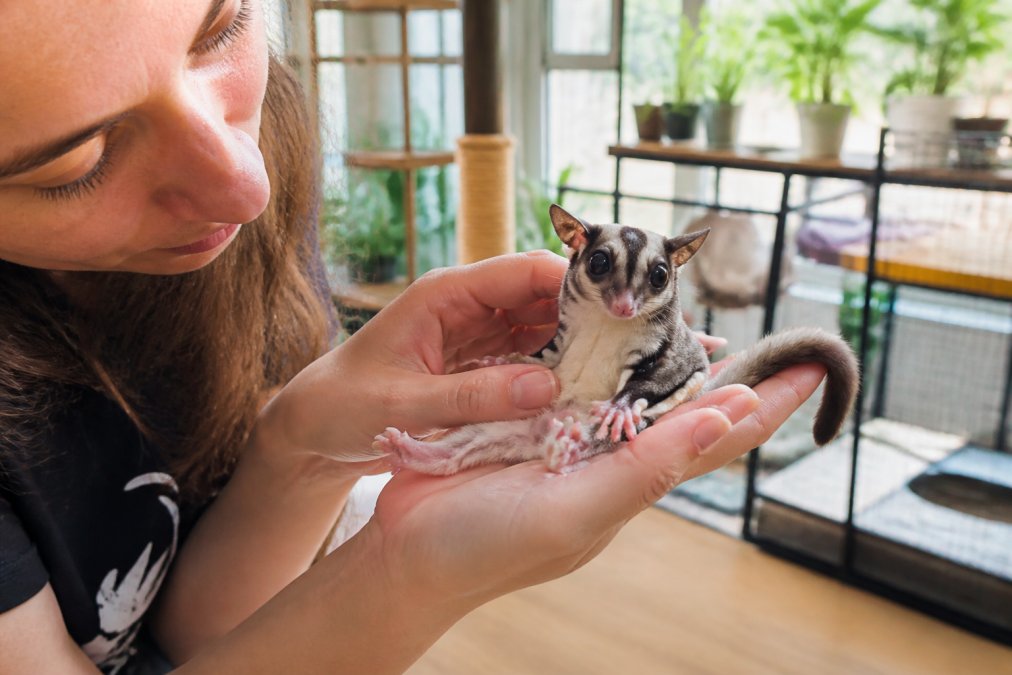
A simple weekly check can catch problems before they become emergencies. Place your glider on a flat, non-slip surface and observe it walking for 60 seconds. Offer a treat held slightly above its head to encourage a vertical stretch, and watch for hesitation or trembling in the hind quarters. Let it grip your finger and gently lift, a healthy glider will hold on firmly with both hind feet. If you notice any decline, contact your exotic veterinarian immediately.
Why Early Signs Are Often Missed
Sugar gliders are nocturnal, so owners rarely observe them during their most active hours. By the time you see a problem during daytime handling, the glider has likely been compensating for days. Another common issue is attributing symptoms to age, a 5-year-old glider showing hind-leg weakness is often assumed to be "slowing down," when in fact it is developing metabolic bone disease. A glider that is otherwise bright and alert but shows any of the checklist signs above deserves a veterinary workup, not just observation.
Step-by-Step Diet Transition to Prevent Hind Leg Paralysis
Switching a glider to a better diet requires patience, because a sudden change often leads to refusal and weight loss. A gradual transition over 4-6 weeks gives their digestive system and palate time to adjust while ensuring they still eat enough. This process is the practical core of how to prevent sugar glider hind leg paralysis through nutrition.
Step 1: Assess Your Current Feeding Routine
Write down everything your glider eats over one week, including treats and "extras" from your table. Most owners are surprised by how many hidden phosphorus sources creep in, from certain nuts to commercial yogurt drops. Compare your list against the 2:1 calcium to phosphorus target and identify the biggest offenders. Also note portion sizes, since overfeeding treats can undermine even a good staple diet.
Step 2: Introduce a Nutritionally Complete Staple Diet
Begin mixing a small amount of a nutritionally complete staple diet into whatever your glider currently eats, starting at roughly 25% new food. Critter Love® Complete Sugar Glider Food is formulated with licensed veterinarians and exotic animal nutritionists to deliver balanced protein, calcium, vitamins, and minerals including vitamin D3, which supports calcium absorption. Increase the proportion every few days as your glider accepts the new texture and taste.
Step 3: Monitor and Adjust Over 4-6 Weeks
Weigh your glider twice weekly during the transition to confirm steady weight, and watch droppings for signs of digestive upset. If your glider is picky, try mixing the staple with a small amount of a familiar safe food, then gradually reduce the "bribe." Over the full 4-6 weeks, your goal is a diet that is 75% staple food and 25% fresh, calcium-safe produce. Patience here prevents the malnutrition that leads to hind leg paralysis.
Hidden Phosphorus Sources and Unsafe Foods to Avoid
Many owners unknowingly feed foods that actively work against bone health. The most common hidden phosphorus sources include nuts like almonds and peanuts, seeds such as sunflower and pumpkin seeds, and commercial treats loaded with grains and fillers. Insects like mealworms and crickets are also phosphorus-heavy and should be limited or gut-loaded with calcium before feeding.
Foods that are particularly dangerous for gliders include chocolate, caffeine, dairy products, and anything with added sugar or artificial sweeteners. Avocado and rhubarb are toxic, while citrus fruits can cause mouth sores. Even "safe" fruits should be offered in moderation since they provide little nutritional value and can crowd out the staple diet. When in doubt, if a food is not on a veterinarian-approved list, do not feed it.
When to Contact an Exotic Veterinarian for Sugar Gliders
Finding an exotic veterinarian for sugar gliders before an emergency is one of the most proactive steps an owner can take. Standard dog-and-cat clinics rarely have the expertise or equipment to treat a 100-gram marsupial with metabolic bone disease. A qualified exotic vet can perform blood work to assess calcium levels and kidney function, take radiographs to evaluate bone density, and administer calcium gluconate or injectable calcium when needed.
Contact a vet immediately if you notice trembling, weakness, or any gait abnormality in the hind legs. Do not attempt to treat calcium deficiency at home with oral supplements alone, since the dosage and form matter greatly and overdose can be fatal. Emergency stabilization often requires hospitalization, fluid therapy, and supportive care that only a trained professional can provide. American Veterinary Medical Association directory for locating exotic pet veterinarians is a useful starting point for finding a specialist near you.
Supportive Care and Recovery After Early Intervention
If caught early, many gliders recover from calcium deficiency with proper treatment and dietary correction, though recovery takes time. Supportive care focuses on reducing physical demands on weakened bones. Lower perches, easier access to food and water, and a calm environment help prevent falls that could cause fractures. Physical therapy, such as gently encouraging your glider to climb short distances, can help rebuild muscle strength, but only after veterinary clearance.
Environmental enrichment also plays a role in recovery. Provide safe toys and branches that encourage movement without demanding the high-impact gliding that stresses fragile bones. Monitor your glider's progress daily, noting any changes in grip strength or coordination. Full recovery from hind leg paralysis is possible when the dietary imbalance is corrected early, but prevention remains the far better path. Merck Veterinary Manual overview of nutritional secondary hyperparathyroidism explains how bone density can improve once the calcium to phosphorus ratio is corrected.
The Unique Angle: A Structured Rehabilitation Plan for Mild Weakness
Most articles stop at "provide supportive care," but owners of gliders with mild weakness or post-treatment recovery need a concrete plan. This structured approach, used by exotic animal rehabilitators, breaks recovery into three phases:
Phase 1: Cage Rest and Stabilization (Days 1-14)
During the first two weeks after veterinary treatment, the goal is to prevent any further bone stress. Remove all high perches and replace them with platforms no higher than 6 inches off the cage floor. Place food and water bowls directly on the floor level so your glider does not have to climb to eat. Line the cage floor with soft fleece strips to provide traction and cushioning. Do not handle your glider except for daily weight checks and medication administration. This period allows the most fragile bones to begin remineralizing without load-bearing stress.
Phase 2: Controlled Movement and Muscle Rebuilding (Weeks 3-6)
Once your veterinarian confirms that your glider is stable, begin introducing gentle, controlled exercise. Add a single low branch (no higher than 12 inches) with a rough texture for grip. Encourage your glider to climb by placing a small treat at the top of the branch. Limit gliding attempts by keeping the enclosure compact during this phase, a glider that tries to glide and falls can re-injure itself. You can also perform passive range-of-motion exercises: gently extend and flex each hind leg for 5 repetitions, twice daily, to maintain joint flexibility. Stop immediately if your glider shows signs of distress.
Phase 3: Gradual Return to Normal Activity (Weeks 7-12)
As strength returns, slowly reintroduce higher perches and more complex climbing structures. Watch for regression, if your glider begins trembling again or avoids climbing, step back to Phase 2 for another week. Most gliders that recover from early calcium deficiency can return to near-normal activity within 3 months, but their bones remain more fragile for life. Maintain a strict calcium-to-phosphorus ratio of 2:1 indefinitely, and schedule a follow-up veterinary exam at 6 weeks and again at 12 weeks to confirm bone density is improving.
Environmental Enrichment That Supports Recovery
Enrichment during recovery should encourage movement without demanding high-impact gliding. Safe options include:
- Foraging wheels (solid-surface, not wire) that allow gentle walking
- Fleece tunnels placed at floor level that encourage exploration
- Low branches with varying thicknesses to exercise different grip muscles
- Puzzle feeders that require standing on hind legs to access treats
Avoid items that encourage jumping or gliding, such as tall rope bridges or high platforms, until your veterinarian clears your glider for full activity.
Tracking Recovery Progress
Keep a simple daily log to track recovery objectively. Record three things each evening: (1) whether your glider climbed above the lowest perch, (2) any visible trembling after activity, and (3) how firmly it grips your finger when you offer a treat. A glider that consistently climbs higher and shows no trembling is on track. If you notice two consecutive days of regression, contact your veterinarian, this can indicate the dietary correction is not sufficient or that a secondary issue has developed.
Conclusion: Build a Prevention-First Care Routine
Preventing hind leg paralysis is not about a single supplement or occasional calcium dusting; it is about building a consistent, nutritionally complete routine that never lets the calcium to phosphorus ratio slip. That means committing to a veterinarian-approved staple diet, limiting treats, gut-loading insects, and scheduling regular health checks. Owners who master this routine rarely face the heartbreak of a glider with dragging hind legs.
At Critter Love® LLC, we've helped over 10,000 customers build healthier feeding habits with expert-formulated nutrition that removes the guesswork. Our Critter Love® Complete Sugar Glider Food is laboratory-tested and veterinarian-approved, and our Natural Feeding Manual walks you through preparation and serving sizes step by step. When you pair the right diet with prompt veterinary care and attentive observation, you give your glider the best chance at a long, active life. View our sugar glider food and care guides to start your prevention-first routine today.
Frequently Asked Questions
What are the first signs of calcium deficiency in sugar gliders?
Early signs often include subtle trembling in the hind legs, a clumsy grip, or a reluctance to climb. You might also notice your glider dragging its back legs slightly when walking. These symptoms point to a dietary imbalance, specifically a poor calcium to phosphorus ratio. Addressing these signs immediately by reviewing your glider's diet and consulting an exotic veterinarian can prevent the condition from progressing to full hind leg paralysis.
What is the recommended calcium-to-phosphorus ratio for sugar gliders?
A nutritionally complete diet for sugar gliders should have a calcium to phosphorus ratio of 2:1. Many common foods, like insects and certain fruits, are naturally high in phosphorus, which blocks calcium absorption. Feeding a staple diet formulated to this 2:1 ratio, like Critter Love Complete, helps prevent metabolic bone disease and hind leg paralysis. Always check the nutritional analysis of any food you provide to ensure it meets this standard.
Is hind leg paralysis in sugar gliders reversible?
Yes, it can be reversible if caught early and treated aggressively. Once you notice symptoms like gait abnormalities or trembling, immediate veterinary intervention is critical. A vet may administer injectable calcium and vitamin D3 for emergency stabilization. Following this, a strict switch to a nutritionally complete diet with the correct calcium to phosphorus ratio is essential for recovery. The longer paralysis persists, the more permanent the damage to bone density and nerve function can become.
How often should I consult an exotic veterinarian for my sugar glider's health?
Schedule a wellness check with an exotic veterinarian at least once a year. These visits are crucial for preventative health, as sugar gliders are prey animals and instinctively hide signs of illness. If you notice any changes in appetite, energy, or movement, do not wait for the annual checkup. Immediate veterinary intervention is vital for conditions like hind leg paralysis, where early treatment offers the best chance for a full recovery.


