
Table of Contents
- Quick Comparison: 7 Miniature Cattle Breeds at a Glance
- How We Evaluated These Miniature Cattle Breeds
- 1. Dexter: The Dual-Purpose Standard for Small Acreage
- 2. Miniature Hereford: Gentle Disposition and Easy Calving
- 3. Miniature Zebu: Heat Tolerance and Forage Efficiency
- 4. Lowline Angus: Beef Production in a Compact Frame
- 5. Miniature Highland: Winter Hardiness and Heritage Genetics
- 6. Miniature Jersey: Milk Yield for the Family Homestead
- 7. Miniature Belted Galloway: Forage Efficiency and Rotational Grazing
- Frequently Asked Questions
Last Updated: September 11, 2026
Quick Comparison: 7 Miniature Cattle Breeds at a Glance
Choosing miniature cattle for a small homestead comes down to matching breed traits to your land, climate, and goals. The seven breeds below cover the full spectrum, from dual-purpose Dexter to heat-tolerant Miniature Zebu. The right breed choice matters more than the size of your pasture.
Here's how the leading miniature cattle breeds stack up:
| Breed | Primary Use | Mature Height | Best For | Temperament |
|---|---|---|---|---|
| Dexter | Dual-purpose (milk + beef) | 36-44 inches | Small acreage, beginners | Docile, easy to handle |
| Miniature Hereford | Beef production | 38-42 inches | Easy calving, families | Gentle disposition |
| Miniature Zebu | Dairy, heat tolerance | 30-36 inches | Hot climates, forage efficiency | Alert but manageable |
| Lowline Angus | Beef production | 38-42 inches | Meat quality, feed conversion | Calm, polled |
| Miniature Highland | Beef, heritage genetics | 36-42 inches | Cold climates, winter hardiness | Docile, hardy |
| Miniature Jersey | Milk yield | 36-40 inches | Family dairy, milk production | Gentle, responsive |
| Miniature Belted Galloway | Beef, forage efficiency | 36-42 inches | Rotational grazing, small acreage | Calm, polled |
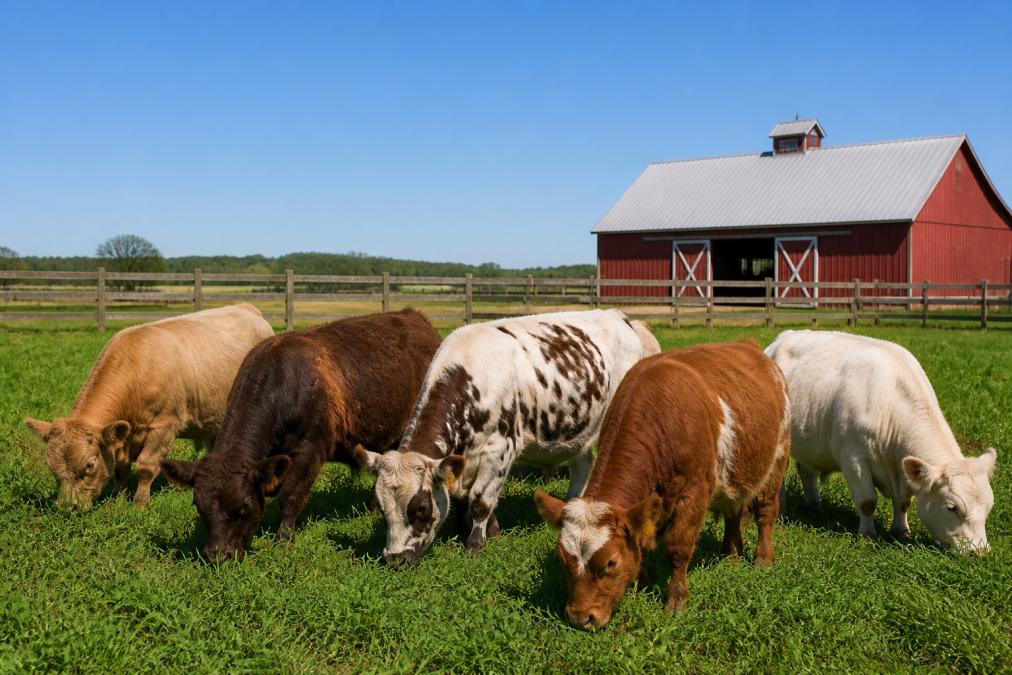
What separates a thriving mini cattle operation from a struggling one usually isn't the breed alone. It's whether the animal's natural strengths match what your land and setup can actually support.
How We Evaluated These Miniature Cattle Breeds
Each breed was evaluated on practical criteria such as acreage requirements, temperament, feed conversion ratio, milk yield or beef production, calving ease, and winter hardiness. Temperament often carries extra weight because livestock handling on a small homestead is a daily reality, not an occasional task.
A common mistake is picking a breed based on photos alone. Frame score and mature height tell you more about actual space needs than any marketing description. According to USDA livestock grazing guidance, stocking density and pasture management determine how many animals your land supports, not breed reputation.
Cost of raising miniature cattle varies widely by region, feed prices, and veterinary access. The breed you choose influences all three. A forage-efficient breed on rotational grazing can cut hay costs significantly compared to one that needs supplemental grain year-round.
1. Dexter: The Dual-Purpose Standard for Small Acreage
Dexter cattle remain the most practical starting point for most homesteads. They produce both milk and beef, which means one animal can serve two purposes on limited land.
A Dexter cow typically stands 36 to 44 inches tall and weighs between 600 and 900 pounds. That's roughly a third of a standard commercial cow, which translates directly into lower feed costs and less pasture pressure.
Pros:
- Dual-purpose breed, so you get milk and beef from the same animal
- Excellent feed conversion ratio on grass alone
- Calving ease is generally strong, even in first-time heifers
- Heritage breed genetics mean fewer inherited health problems
Cons:
- Milk yield is modest compared to a dedicated dairy breed
- Chondro genetics in some lines can produce smaller-than-expected offspring
- Availability varies by region, so you may need to travel for quality stock
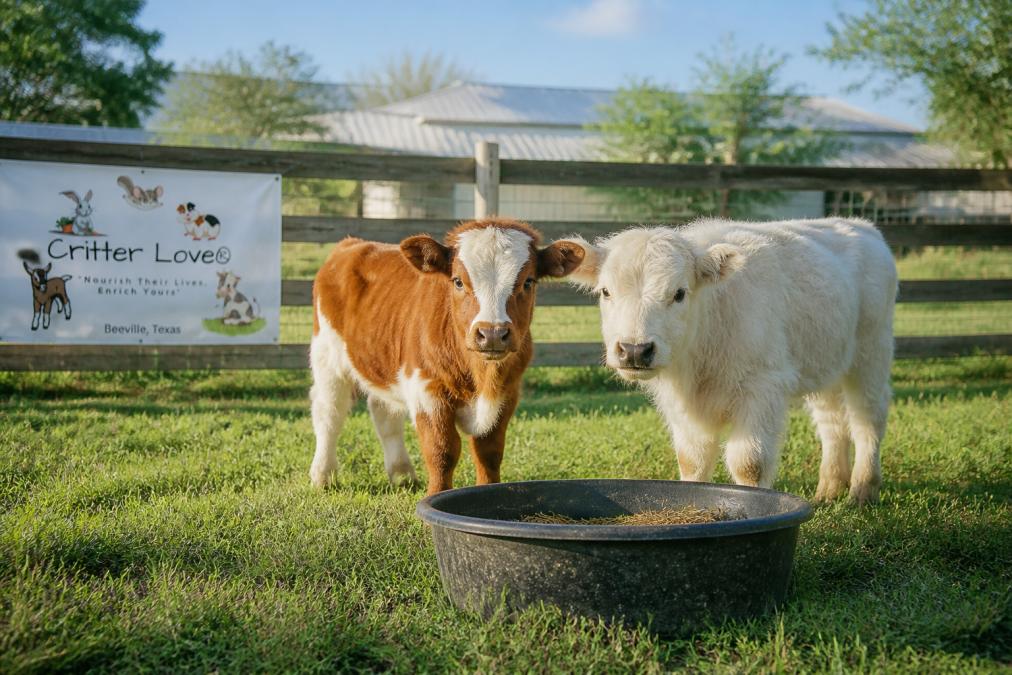
Critter Love® LLC currently offers Freckles Bull-Calf, a Dexter/Highland Cross x Mini Hereford born June 5, 2025, priced at $2,500.00. His sire stands 35 inches, which gives you a clear picture of the compact frame you're working with.

For families wanting a heifer instead, Half-Pint Mini Dexter Cross Heifer is a Dexter x Highland/Highpark/Mini Sundog cross at $1,500.00. She's suspected non-Chondro, making her a true mini in her own right.

2. Miniature Hereford: Gentle Disposition and Easy Calving
Miniature Herefords are the breed to choose when temperament tops your priority list. Their docile nature makes them well suited to families and first-time cattle owners.
These cattle typically mature between 38 and 42 inches and carry the same red-and-white coloring as their full-sized counterparts. The difference is scale: a Miniature Hereford eats considerably less while still producing quality beef.
Pros:
- Gentle disposition makes livestock handling safer for beginners
- Strong calving ease, which reduces veterinary intervention
- Good meat quality with solid marbling
- Hardy in a range of climates
Cons:
- Beef production is lower per animal than Lowline Angus
- Not a dairy breed, so no milk yield to speak of
- Can be prone to overconditioning if fed too generously
Weaning weight on Miniature Herefords is lower than commercial breeds, but so is feed consumption. On a small acreage operation, that trade-off usually works in your favor.
3. Miniature Zebu: Heat Tolerance and Forage Efficiency
Miniature Zebu handle heat better than any other breed on this list. Their loose skin, sweat glands, and foraging habits make them a strong pick for warmer climates where other breeds struggle.
Standing just 30 to 36 inches, Zebu are among the smallest miniature cattle available. They're technically a dairy cattle breed, though milk yield is modest. Their real strength is forage efficiency: Zebu extract more nutrition from poor pasture than most breeds.
Pros:
- Superior heat tolerance
- Outstanding forage efficiency on marginal land
- Small frame score means lower acreage requirements
- Disease resistance is generally strong
Cons:
- Temperament can be alert and occasionally stubborn
- Milk yield is lower than Jersey or Dexter
- Cold tolerance is poor, so winter hardiness is limited
4. Lowline Angus: Beef Production in a Compact Frame
Lowline Angus deliver the best beef production per pound of feed of any breed here. If meat is your primary goal, this is the breed to beat.
These cattle are the result of selective breeding from Aberdeen Angus stock, retaining the marbling and meat quality while cutting mature height to 38 to 42 inches. They're polled, which eliminates dehorning entirely.
Pros:
- Exceptional meat quality with consistent marbling
- Polled genetics simplify herd management
- Calm temperament and easy handling
- Strong feed conversion ratio
Cons:
- No milk production for family use
- Higher upfront purchase cost than some heritage breeds
- Can be harder to find outside established cattle regions
Sustainable agriculture operations favor Lowline Angus because they finish well on grass alone. That reduces reliance on purchased grain and keeps input costs predictable.
5. Miniature Highland: Winter Hardiness and Heritage Genetics
Miniature Highlands are built for cold. Their double coat and natural hardiness make them the obvious choice for northern homesteads where winter kills lesser breeds.
Mature height runs 36 to 42 inches, and their distinctive shaggy coats aren't just cosmetic. That double layer sheds rain and traps heat, which means less shelter infrastructure for you to build and maintain.
Pros:
- Best winter hardiness of any breed on this list
- Heritage genetics with strong disease resistance
- Docile and easy to handle
- Good beef production on rough forage
Cons:
- Slow growth rate compared to Angus
- Heavy coat requires more grooming attention in mud season
- Beef production is lower per animal
Munchkin, a Mini Dexter/Highland/Highpark Cross available from Critter Love® LLC at $1,500.00, combines Highland hardiness with Dexter compactness. Born June 6, 2026, she carries suspected Chondro+ genetics and is ready to go in November 2026.

6. Miniature Jersey: Milk Yield for the Family Homestead
Miniature Jerseys produce more milk per pound of body weight than any other breed here. For a family wanting fresh dairy, this is the practical answer.
A Miniature Jersey stands 36 to 40 inches and can produce two to three gallons of milk daily during peak lactation. That's more than enough for most families, with surplus for cheese, butter, or barter.
Pros:
- Highest milk yield of any breed on this list
- Butterfat content is excellent for dairy products
- Gentle and responsive temperament
- Efficient feed conversion for milk production
Cons:
- Requires daily milking commitment, no days off
- Not a beef breed, so limited meat production
- Can be sensitive to extreme heat
The daily milking schedule is the real cost of owning a Miniature Jersey. It's not a breed you can leave for a weekend without arranging coverage.
7. Miniature Belted Galloway: Forage Efficiency and Rotational Grazing
Miniature Belted Galloway round out the list as the most forage-efficient beef breed for rotational grazing systems. Their distinctive white belt makes them easy to identify in the field, but the real value is in their grazing habits.
These cattle mature at 36 to 42 inches and are polled. They handle poor forage better than Angus and finish well on grass, which makes them a strong fit for sustainable agriculture setups where supplemental feed is expensive.
Pros:
- Excellent forage efficiency on rough pasture
- Polled and calm, simplifying herd management
- Strong winter hardiness
- Good meat quality with lean carcass
Cons:
- Slower growth than Lowline Angus
- Less common, so stock is harder to source
- Milk production is minimal
Frequently Asked Questions
What are the best mini beef cow breeds for small farms?
Lowline Angus and Miniature Hereford are top choices for beef production on small farms. Lowline Angus offers excellent meat quality with efficient feed conversion, while Miniature Hereford is known for its docile temperament and calving ease. Dexter cattle work well as a dual-purpose option, providing both beef and milk. When selecting miniature cattle, consider your climate, available pasture, and whether you want a single-purpose or dual-purpose breed.
How much land do you need for miniature cattle?
Most miniature cattle breeds need about half an acre to one acre of pasture per animal, depending on forage quality and climate. Rotational grazing can reduce acreage requirements by improving pasture recovery. For a pair of mini cattle, plan for at least one to two acres of good pasture. In drier regions, you may need more land per animal. Always check local zoning and stocking density regulations before purchasing.
Are miniature cattle easier to handle than standard breeds?
Yes, miniature cattle are generally easier to handle due to their smaller size and often docile temperament. Breeds like Miniature Hereford and Dexter are known for gentle dispositions, making them suitable for beginners. Their lower weight means less risk during handling and easier transport. However, they still require proper livestock handling facilities, including a chute or headgate, and consistent human interaction from a young age.
Can a micro mini cow live in a house?
No, micro mini cows are still livestock and should not live indoors. They need pasture, shelter, and space to graze and socialize. While some miniature cattle are small enough to be considered pets, they require outdoor housing such as a barn or three-sided shed. Bringing a cow indoors poses health risks for both the animal and the owner. Always provide species-appropriate housing and consult local zoning laws.
What is the most profitable livestock on a small farm?
Profitability depends on your market and resources, but miniature cattle can be profitable through direct beef sales, breeding stock, or dairy products. Miniature Jersey cattle produce high-butterfat milk that sells well at premium prices. Dexter cattle offer dual-purpose value. Miniature cattle also cost less to raise than full-size breeds due to lower feed and space requirements. Niche markets for heritage breeds and grass-fed beef often yield the best returns.


