
Table of Contents
- What Malnutrition Actually Looks Like in Small Pets
- 7 Physical Signs of Malnutrition to Check at Home
- How to Score Your Pet's Body Condition in 5 Minutes
- Nutritional Deficiencies in Small Animals: Causes and Symptoms
- Choosing the Best Staple Diet for Small Pets
- Age, Breed, and Behavior: What Most Owners Miss
- Frequently Asked Questions
Last Updated: September 17, 2026
What Malnutrition Actually Looks Like in Small Pets
Spotting the signs of malnutrition in small pets comes down to three things: what you see, what you feel along the spine and ribs, and what changes in behavior. This guide from Critter Love® LLC walks through each one so you can assess your pet at home before a minor deficiency becomes serious.

Why Small Pets Hide Illness So Well
Prey animals evolved to mask weakness: in the wild, a sick animal gets picked off first. By the time a guinea pig stops eating or a rabbit sits hunched in a corner, the deficiency has usually been building for weeks.
7 Physical Signs of Malnutrition to Check at Home
The seven most reliable physical signs of malnutrition in small pets are coat and fur changes, weight loss, muscle wasting, visible bone prominence, skin problems, dental issues, and changes in appetite or droppings. Check them head to tail during a calm handling session.
Work through this list once a month:
- Dull, greasy, or unkempt coat that no longer looks glossy
- Brittle fur that breaks or pulls out easily
- Flaky skin or dandruff along the back and flanks
- Weight loss you can feel before you can see it
- Muscle wasting along the spine and hindquarters
- Bone prominence at the hips, shoulders, or spine
- Poor wound healing or slow recovery from minor scrapes
Coat, Skin, and Fur Changes
Coat condition is the earliest visible signal that nutrition has slipped. Protein malnutrition and deficiencies in fatty acids and B vitamins show up first in the fur, because the body redirects scarce nutrients to vital organs before investing in coat health.
Weight Loss, Muscle Wasting, and Bone Prominence
Weight loss in small pets usually starts as muscle loss along the spine, called sarcopenia, before fat stores disappear. Run your fingers down the back: you should feel a rounded muscle layer over the lumbar vertebrae, not a sharp ridge of bone.
How to Score Your Pet's Body Condition in 5 Minutes
Body condition scoring (BCS) is a hands-on assessment of fat and muscle cover over the spine, ribs, and hips. It takes about five minutes and catches muscle loss weeks before weight alone would flag a problem. Most small pet species use a 1-to-5 or 1-to-9 scale, where 1 is emaciated and the highest number is obese. A score of 3 on a 5-point scale is ideal.
Here's the routine:
- Place your pet on a flat surface in good light
- Run both thumbs along the spine from shoulders to hips. You want to feel bone under a thin muscle layer, not sharp ridges
- Cup your hands around the ribcage. Ribs should be felt easily but not seen
- Feel the hip bones. They should be rounded, not protruding
- Weigh your pet on a small kitchen scale and log the number
- Note the score and weight in a notebook or phone app
- Repeat monthly, and compare against the previous entry
Species-Specific Palpation Landmarks
A single scoring routine does not fit every small pet, because body shape and fat distribution differ by species. Use these landmarks:
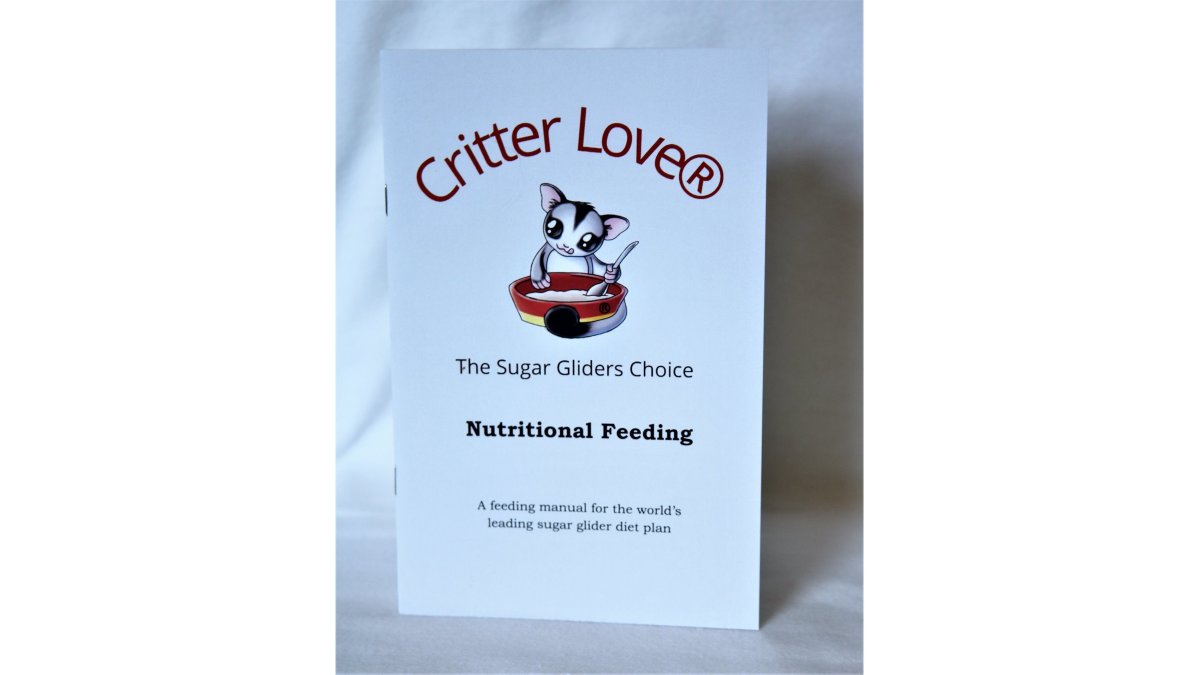
Critter Love® Natural Feeding Manual →
- Sugar gliders: The patagium (gliding membrane) should feel supple, not papery. A prominent sternum and visible hip bones usually mean the calcium-to-phosphorus ratio in the diet has been off for weeks, not days.
- Guinea pigs: The spine should feel like a rounded ridge under a thin muscle layer. Ribs are naturally harder to feel than a rabbit's because of the barrel-shaped torso, so rely on the spine and hips as your primary landmarks.
- Rabbits: The spine should feel smooth, not beaded. A sharp, segmented spine and protruding hips mean significant muscle loss and need veterinary attention.
- Hamsters and gerbils: These species carry fat in the flanks and around the hips. A sunken flank is an early sign; a sharp spine is late-stage.
The 1-to-5 Scale, Translated
Here is what each score actually feels like under your hands:
| Score | What You Feel | What It Means |
|---|---|---|
| 1 | Sharp bones, no muscle cover, sunken flanks | Emaciated, veterinary care needed now |
| 2 | Bones prominent, minimal muscle, ribs easily seen | Underweight, review diet immediately |
| 3 | Bones felt under thin muscle layer, ribs felt but not seen | Ideal, maintain current diet |
| 4 | Bones hard to feel, ribs covered, slight fat cover | Slightly overweight, monitor portions |
| 5 | Bones cannot be felt, ribs not palpable, fat pads visible | Obese, adjust diet and enrichment |
Your At-Home BCS Checklist
Print this or save it to your phone. Run through it once a month:
- Spine feels rounded, not sharp
- Ribs felt easily but not visible
- Hip bones rounded, not protruding
- No sunken flanks
- Coat glossy, not dull or greasy
- Weight logged and compared to last month
- Behavior normal, active, grooming, interested in food
Nutritional Deficiencies in Small Animals: Causes and Symptoms
Nutritional deficiencies in small animals almost always trace back to one of four causes: an unbalanced staple diet, poor nutrient absorption, insufficient caloric intake, or chronic illness. Each produces a different symptom pattern, so identifying the cause matters as much as spotting the sign.

Choosing the Best Staple Diet for Small Pets
The best staple diet for small pets is one formulated for the specific species, not a generic small-animal mix. Sugar gliders, guinea pigs, and rabbits have genuinely different requirements, and feeding one species' food to another is a common cause of deficiency.
| Diet Check | What Good Looks Like | Red Flag |
|---|---|---|
| Protein source | Species-appropriate, named ingredient | Vague "animal by-products" |
| Calcium ratio | Balanced for the species | Unstated or guessed |
| Fatty acids | Omega-3 and omega-6 included | Absent from label |
| Testing | Laboratory tested | No testing claim |
| Transition | 7-10 day gradual mix | Abrupt swap |
Age, Breed, and Behavior: What Most Owners Miss
Age and species change what malnutrition looks like, and the psychological effects are the part owners notice last. A growing joey, a middle-aged adult, and a senior pet show deficiency differently, and the fix differs too.
Growing Pets: When Deficiency Hits Fast
Young, growing small pets have higher protein and mineral demands than adults, so deficiencies appear faster and hit harder. A sugar glider joey or young guinea pig needs more calcium, protein, and fatty acids per gram of body weight than an adult of the same species.
Watch for:
- Stunted growth compared to littermates or species norms
- Weak, bendy bones that feel soft rather than firm
- Poor coat development, a joey that never develops a glossy coat
- Delayed weaning or reluctance to transition to solid food
Senior Pets: When the Same Diet Stops Working
Senior small pets absorb nutrients less efficiently, so they can become deficient on a diet that worked for years. The signs are subtler:
- Gradual weight loss despite normal appetite
- Muscle wasting along the spine that creeps in over months
- Coat that loses its gloss and feels coarser
- Reduced grooming, a senior pet that stops cleaning itself
- Lower activity and more time resting
Species-Specific Needs, Not a Generic Mix
A single "small pet food" cannot serve all species. The differences are not minor:
Critter Love® Natural Feeding Manual →
- Sugar gliders have unusually high calcium requirements for their size and are prone to hind leg paralysis when the calcium-to-phosphorus ratio is off.
- Guinea pigs cannot synthesize vitamin C and depend entirely on dietary intake. Without it, they develop scurvy-like symptoms within weeks.
- Rabbits need continuous fiber for gut motility. A low-fiber diet causes gut stasis, which can be fatal within days.
- Hamsters and gerbils have different protein and fat needs than guinea pigs or rabbits, and feeding a generic mix is a common cause of deficiency.
The Psychological Signs Owners Notice Last
Behaviorally, malnourished small pets often go quiet before they go thin. Lethargy, reduced grooming, hiding more, and losing interest in enrichment or cage mates are early psychological signs most owners attribute to personality rather than nutrition.
Watch for:
- Reduced grooming, a pet that stops cleaning itself
- Hiding more than usual, especially during active hours
- Loss of interest in toys, tunnels, or cage mates
- Lethargy that does not improve with rest
- Appetite swings, eating well one day, refusing food the next
Frequently Asked Questions
What are the most common physical signs of malnutrition in small pets?
The earliest signs of malnutrition in small pets usually show in the coat and body shape. Look for a dull coat, brittle fur, flaky skin, and visible pelvic bones or lumbar vertebrae. Weight loss, muscle wasting, lethargy, and reduced appetite often follow. In sugar gliders, guinea pigs, and rabbits, these changes can appear within weeks of a diet that lacks protein, calcium, or key vitamins. Weigh your pet weekly and run a hands-on body condition check so you catch shifts before they become severe.
Can a pet look healthy but still have nutritional deficiencies in small animals?
Yes. Small pets are prey animals and instinctively mask weakness, so a pet can appear alert and active while running on depleted nutrient reserves. Nutritional deficiencies in small animals often show up first in bloodwork, immune function, or wound healing before any visible sign appears. A pet eating a full bowl every day can still be malnourished if the food is low in protein, calcium, or amino acids. Body condition scoring and routine veterinary checks catch what the eye misses.
What role does the best staple diet for small pets play in preventing malnutrition?
A complete staple diet supplies the protein, calcium, vitamins, minerals, and omega fatty acids that small pets cannot reliably get from treats or table scraps. Critter Love® Complete is laboratory tested, veterinarian approved, and formulated with protein, calcium, Omega 3 and 6, and amino acids for captive-bred sugar gliders. Fed alongside a Critter Love® freeze-dried salad, it supports healthy weight, coat condition, and odor control. Consistency matters as much as ingredients: switching foods randomly can trigger digestive upset.
How do I transition my pet to a more nutrient-dense diet safely?
Switch slowly over 7 to 10 days. Mix about 25 percent of the new staple with 75 percent of the old food for the first three days, then move to a 50/50 blend, then 75/25, and finally the full new diet. Watch droppings, appetite, and energy each day. If your pet refuses the new food, warm it slightly or offer it at the same time as the usual meal. The Critter Love® Natural Feeding Manual walks through preparation and serving sizes step by step.
When should I consult a veterinarian about my pet's weight or coat condition?
Call a veterinarian promptly if you see rapid weight loss, a body condition score of 2 or lower, persistent diarrhea, labored breathing, or hind leg weakness. These can signal protein malnutrition, anemia, or organ dysfunction that needs professional diagnosis. A dull coat alone is worth monitoring, but combined with lethargy or a dropped appetite it becomes urgent. Bring a weight log and notes on what your pet eats so the vet can assess caloric intake and nutrient absorption quickly.
How does poor nutrition affect the long-term health of exotic pets?
Chronic malnutrition weakens the immune system, slows wound healing, and raises the risk of metabolic dysfunction, cardiac dysfunction, and neurologic problems. In sugar gliders, long-term protein and calcium deficits are linked to hind leg paralysis and bone disease. Guinea pigs and rabbits on low-quality diets develop dental and digestive issues that shorten lifespan. Feeding a complete staple diet from the start is far easier than reversing damage later, which is why vets recommend structured nutrition plans for exotic pets.


