
Table of Contents
- What Makes Nigerian Dwarf Goats Worth Buying
- Available Goats for Sale and What to Expect
- Questions to Ask a Goat Breeder Before You Buy
- Understanding Nigerian Dwarf Goat Health Records
- Nigerian Dwarf Goat Housing Requirements
- Nigerian Dwarf Goat Kids for Sale: Starting Your Herd
- Preparing Your Home and Budget for Your New Goat
- Frequently Asked Questions
Last Updated: October 7, 2026
What Makes Nigerian Dwarf Goats Worth Buying
Nigerian Dwarf goats for sale have become popular among hobby farmers who want livestock without the space demands of larger breeds. Standing 17-19 inches tall and weighing 25-75 pounds, they suit small properties where traditional dairy goats won't fit.

What sets them apart isn't just size. Nigerian Dwarf goats are friendly and personable, bonding quickly with owners, making them excellent for families who want interactive livestock. Their playful intelligence makes them genuinely enjoyable to work with.
The breed also delivers real productivity. Despite their miniature stature, Nigerian Dwarf does produce rich, high-butterfat milk, valuable for cheese and dairy production. Bucks and wethers serve equally well as pets or breeding stock.
Available Goats for Sale and What to Expect
When looking for Nigerian Dwarf goats for sale, understanding what's available matters. Quality breeders maintain registered herds with documented pedigrees and health records.
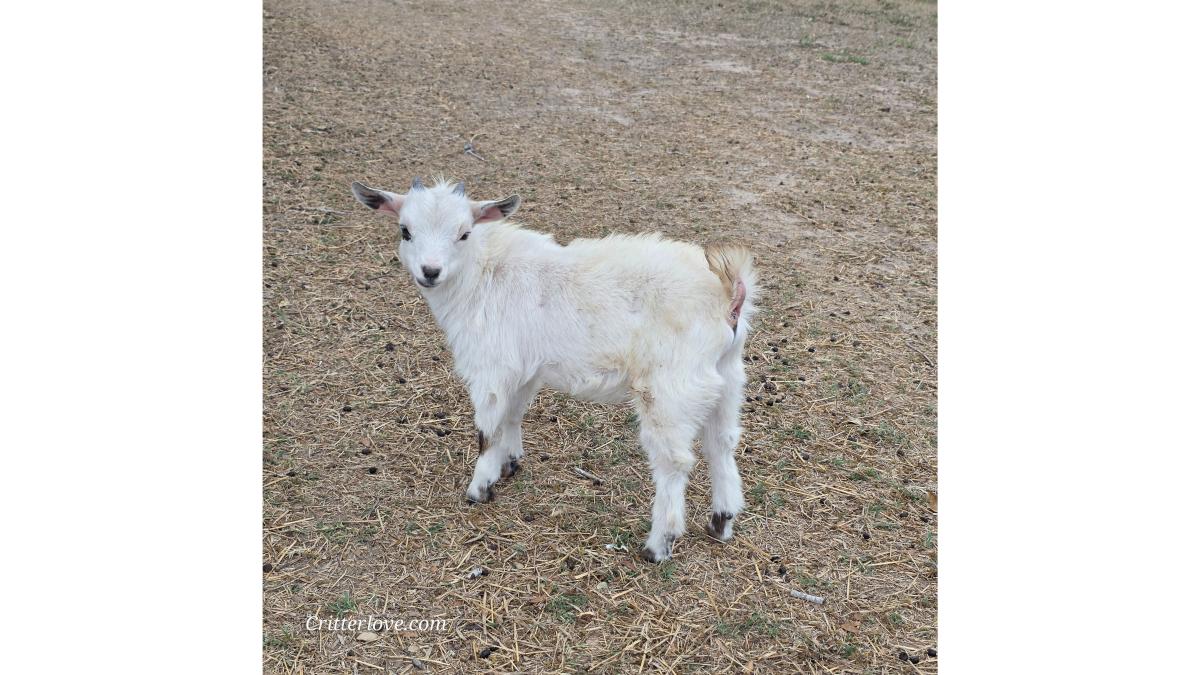
The Nigerian Dwarf buckling we currently have available is a sweet, ready-to-go young male that embodies everything the breed offers. He's ready to integrate into your herd immediately.
When evaluating available animals, ask about their age, whether they're intact or banded, and their handling experience. Goats hand-raised from young kids tame down faster and integrate better into hobby farm settings.
Transport options vary by breeder, from ground transport to local meetups. Understanding logistics upfront ensures your new goat arrives safely.
Questions to Ask a Goat Breeder Before You Buy
Most listings answer the easy questions: age, sex, and registration. The questions that protect you reveal how the breeder manages the herd day to day. Work through the list below before you commit, and ask to see records rather than accept a verbal summary.
Health and vaccination questions
- What vaccines were given, on what dates, and by whom? Most breeders follow a CDT protocol with boosters timed to the kid's age. Ask for the product name and date of each dose.
- What is the deworming history, and was fecal testing used to decide when to treat? Calendar-based deworming can breed resistant parasites.
- Have the dam and sire been tested for CAE and CL? Ask whether results came from a veterinary lab and how recently.
- Is there a Johnes testing history? Even hobby herds benefit, since the disease spreads slowly and silently.
Pedigree and registration questions
- Is the animal registered with ADGA, and can you see the registration paperwork or pedigree certificate before purchase?
- What is the dam's milk history if you plan to milk? Ask for butterfat and production records.
- Are there known genetic concerns in the line, such as kidding difficulties or structural faults?
Temperament and handling questions
- Was the kid bottle-fed or dam-raised? Bottle-fed kids tend to be more people-oriented; dam-raised kids learn herd manners. Neither is better, but the answer tells you what to expect.
- How much daily human contact has the animal had? A goat handled only at feeding time will take longer to settle.
Buyer's checklist: evaluating the goat in person
Bring this list to the farm visit and go through it animal by animal.
- Eyes: bright, clear, no discharge or cloudiness, which can signal respiratory or eye issues.
- Nose: dry or lightly moist, no thick discharge.
- Teeth: for a kid, check bite alignment; for an adult, check incisors meet the dental pad. An overbite or underbite may cause grazing trouble.
- Coat: smooth and full, no bald patches, no rough or dull texture that suggests parasites or poor nutrition.
- Body condition: you should feel the spine and ribs without pressing hard, but they shouldn't be sharp. Too thin or too fat signals management problems.
- Hooves: trimmed and even, no signs of rot, limping, or overgrowth.
- Rear end: clean and dry, no signs of diarrhea or staining.
- Temperament: watch the goat move around the pen. A curious, alert animal is good; one frozen in a corner or coughing repeatedly is not.
- Movement: ask the breeder to walk the goat so you can see the gait. Limping or stiffness can indicate hoof or joint problems.
Guarantees and paperwork
- Ask what health guarantee the breeder offers and what it covers. A common pattern is a short window during which a veterinarian can examine the goat, with a refund or replacement if a serious issue is found.
- Confirm you will receive written vaccination records, deworming history, and pedigree paperwork at pickup.
- Ask whether the breeder will hold the goat and on what terms.
A breeder who welcomes these questions, shows records without hesitation, and lets you handle the animals is worth buying from. Hesitation or vague answers are your cue to keep looking.
Nigerian Dwarf Buckling (Mainly white) →
Understanding Nigerian Dwarf Goat Health Records
Health records are your window into a goat's medical history and future needs.
The birth date determines age, which affects feeding requirements, breeding eligibility, and expected behavior. A doeling born in spring has different development milestones than one born in fall.
Vaccination records should list specific products and dates. Common vaccines include CDT (clostridium perfringens C and D plus tetanus). Some breeders also vaccinate against rabies for outdoor exposure.
Dewormer history tells you what parasites the goat has been exposed to and what treatments worked, guiding your own schedule and preventing resistance.
Any health challenges or treatments should be documented clearly. A goat that recovered from pneumonia as a kid might be prone to respiratory issues, so you'd adjust housing and ventilation.
Nigerian Dwarf Goat Housing Requirements
Nigerian Dwarf goats need shelter that protects them from weather while allowing space for movement and social interaction.
Straw, wood shavings, or pelleted bedding all work, but avoid cedar and walnut shavings, which contain oils harmful to goats.
Fencing needs to be sturdy and at least 4-5 feet tall. Nigerian Dwarf goats are escape artists who test every weak point.
Provide shelter from wind and precipitation with adequate ventilation; a three-sided shelter open to the south works well in most climates.
Space to move matters for their mental health. Goats are naturally active and playful; confined goats become stressed and develop behavioral problems. Even a small pasture or exercise area improves their wellbeing.
Nigerian Dwarf Goat Kids for Sale: Starting Your Herd
Nigerian Dwarf goat kids for sale represent the best entry point for new owners. Kids are young goats, typically from birth through weaning age (around 8-12 weeks).
Kids bottle-fed and handled frequently from birth become extremely tame and people-oriented, integrating beautifully into family settings and easier to handle for hoof trimming and health checks.
When purchasing kids, ask about weaning status. Weaned kids are independent and ready for solid food, while younger kids still require bottle feeding or dam nursing.
Doelings are valuable if you plan to breed or produce milk. Wethers make excellent pets and are easier to manage without breeding complications.
Consider purchasing kids in pairs. Goats are herd animals that thrive with companions; a single goat often becomes stressed, vocal, and behavioral.
Nigerian Dwarf Buckling (Mainly white) →
Preparing Your Home and Budget for Your New Goat
Bringing a goat home is a logistics exercise as much as a financial one. Below: what to have ready before pickup, how to transport safely, and how to acclimate the animal in the first two weeks.
Transport logistics: getting the goat home
Goats travel best in a sturdy crate or livestock trailer with solid sides and good airflow. A few practical rules:
- Use a crate sized so the goat can stand, turn, and lie down, but not so large it slides during turns. A large dog crate works for a single kid; a small livestock trailer for two or more.
- Line the floor with shavings or a rubber mat for traction. Slippery floors cause panic and injury.
- Never transport a goat in an open pickup bed without a secured crate or high-sided enclosure. Goats jump and climb, and a loose animal on a highway is dangerous.
- Don't transport a single goat alone if avoidable. Goats are herd animals; a lone traveler is more likely to stress, vocalize, and try to escape. Bring a companion or pick up two goats at once.
- Keep the trip short. For long distances, stop every few hours to offer water and check the animal. Don't feed a large meal right before travel.
- In hot weather, transport early morning or evening with airflow moving. In cold weather, block wind but don't seal the crate; ventilation matters more than warmth.
- Bring a towel, water bucket, and small amount of hay. Don't offer grain during transport.
Arrival day: setting up the quarantine pen
Even a healthy-looking goat should be kept separate from your existing herd for two to four weeks. This is basic biosecurity, not distrust of the breeder.
- Set up a small pen with its own water, feeder, and shelter, ideally with a fence line the new goat can see and smell your other animals through without contact.
- Use separate buckets, feeders, and tools for the quarantine pen, and handle the new goat last during chores.
- Watch for stress signs: loose stool, reduced appetite, coughing, or lethargy. Some loose stool in the first 24 to 48 hours is common after transport; persistent diarrhea is not.
- Offer hay and fresh water immediately on arrival. Wait several hours before grain, and introduce it gradually over the first week.
Acclimating to the herd
After quarantine, introduce the new goat gradually. A common approach is penning them side by side for a few days, then together in a large space with escape routes and multiple feed and water stations.
Budget categories to plan for
You don't need exact numbers to plan well, but you do need to know which categories will hit your wallet and when.
- One-time setup: shelter materials or prefab structure, fencing, gates, feeders, waterers, bedding, crate or trailer access, and basic first aid supplies.
- Recurring monthly: hay or pasture, grain for growing kids or milking does, goat-specific loose minerals, and bedding.
- Every 6 to 8 weeks: hoof trimming, either your own time or a farrier's visit.
- Annual or as-needed: veterinary wellness visits, vaccinations, fecal testing, and emergency care.
- Optional: registration fees if you plan to show or breed, and milking or cheese-making equipment if that's your goal.
Supplies to have on hand before pickup
- Grass hay or alfalfa, depending on the goat's age and status
- A loose mineral formulated for goats (not sheep mineral, which lacks the copper goats need)
- A feeder that keeps hay off the ground
- A heated or insulated water bucket for cold-weather pickups
- Hoof trimmers
- A basic first aid kit: vet wrap, iodine, syringes, and a thermometer
- A halter and lead rope for handling
Frequently Asked Questions
What should I ask a Nigerian Dwarf goat breeder before buying?
Ask about the goat's age, sex (buckling, doeling, or wether), and whether it's registered with ADGA. Request vaccination records, deworming history, and CAE/CL/Johnes testing status. Inquire about the goat's temperament, whether it's been disbudded or banded, and if the breeder offers transport options. Also ask about any health guarantee and what support they provide after purchase.
How much do Nigerian Dwarf goats typically cost?
Pricing varies based on age, registration status, and breeding history. Critter Love offers a Nigerian Dwarf Buckling for $150, with a $25 discount when purchasing a pair. Prices may differ for doelings, registered breeding stock, or show-quality animals. Transport fees are additional and quoted separately based on distance and logistics.
What health records should I receive when I buy a Nigerian Dwarf goat?
Request complete vaccination records showing dates and types of vaccines administered. Ask for deworming history with dates and products used. Request documentation of any CAE, CL, or Johnes testing performed. A reputable breeder should also provide the goat's birth date, pedigree information if registered, and any vet checks completed. These records ensure your new goat meets herd health standards and helps you plan ongoing care.
Do Nigerian Dwarf goats need to be kept in pairs?
Yes, Nigerian Dwarf goats are herd animals and do best with at least one companion. A single goat may become stressed or lonely. Keeping them in pairs or small groups promotes better behavior, mental health, and overall well-being. If you're starting with one goat, plan to add another soon, or ensure it has regular human interaction and enrichment.


