
Last Updated: November 7, 2026
Quick Summary
Guinea pigs need fresh grass and hay every day because their digestive system depends on a constant flow of fibrous plant material. Chewing also wears down their continuously growing teeth, which helps prevent painful dental problems. Grass hay should stay available at all times, with fresh grass added on top.
- Guinea pig teeth never stop growing, and chewing grass and hay wears them down.
- Grass hay should be available around the clock as the everyday base of the diet.
- Introduce fresh grass slowly, one safe type at a time, while watching droppings.
- Stop feeding fresh grass if stools turn soft, and cut back before trying again later.
- Never feed grass from roadsides or lawns treated with fertilizer or pesticides.
Table of Contents
- Why Guinea Pigs Need a Steady Supply of Grass
- Fresh Grass vs Hay for Guinea Pigs
- How Much Grass Can Guinea Pigs Eat?
- How to Introduce Grass to Guinea Pigs
- Safe Grasses and Plants to Avoid
- What Else Guinea Pigs Can Eat Daily
- Building Your Guinea Pig's Daily Feeding Routine
- Frequently Asked Questions
Why Guinea Pigs Need a Steady Supply of Grass
Guinea pigs need grass and hay every single day to stay healthy. The short answer is that a guinea pig's digestive system depends on a constant flow of fibrous plant material.
Guinea pig teeth never stop growing. Chewing grass and hay wears them down naturally, which helps prevent painful dental problems. The RSPCA notes that guinea pigs need hay and/or grass for digestive function, so this is a core part of their diet, not an optional treat (RSPCA guidance on guinea pig diet).
Here is what a steady grass supply does for your pet:
- Supports healthy gut movement
- Wears down continuously growing teeth
- Gives your guinea pig something to chew for hours each day
- Supplies fiber that keeps weight and energy steady
Humane World for Animals describes unlimited grass hay as a daily cornerstone of the diet (Humane World for Animals feeding guide).
Fresh Grass vs Hay for Guinea Pigs
Fresh grass and hay both count as the grass-based forage your guinea pig needs. Hay is the easiest option to keep available around the clock, so it works as the everyday base. Fresh grass adds moisture, variety, and a treat-like interest that many guinea pigs enjoy. Our premium food guide for guinea pigs explains why food quality matters alongside forage.
You do not have to choose one over the other. Most owners offer unlimited grass hay all day and add fresh greens on top. That combination covers the fiber need without much effort.
Watch out: a guinea pig that suddenly eats large amounts of rich, wet grass can develop soft stools.
Here is how fresh grass and hay compare for a guinea pig's daily diet.
| Forage | Role in the diet | Key difference |
|---|---|---|
| Grass hay | Everyday base | Available around the clock |
| Fresh grass | Adds moisture and variety | Can loosen stools if overfed |
| Both together | Covers the fiber need | Most owners offer hay plus fresh greens |
How Much Grass Can Guinea Pigs Eat?
There is no single exact amount, but a small handful of fresh grass a day is a common starting point for most adult guinea pigs. Hay should stay unlimited, so your pet can eat whenever it wants.
Watch your guinea pig's droppings and appetite. Firm, normal droppings mean the amount is working. Loose stools or a drop in appetite mean you should cut back and try again later.
- Start with a small pinch and build up over a week or two
- Keep hay available at all times
- Stop feeding fresh grass if stools turn soft
- Offer fresh grass at the same time each day
How to Introduce Grass to Guinea Pigs
Introduce new grass in small steps. Guinea pigs have sensitive stomachs, so a sudden change can cause problems.
- Choose one safe grass or green and offer a small amount.
- Watch droppings and behavior for a full day.
- If all looks normal, offer the same amount again the next day.
- Slowly add a little more over the following week.
- Introduce one new type at a time so you can spot any problem.
Keep this process patient. Some guinea pigs take to fresh grass right away, while others need several weeks to accept something unfamiliar. A few safe enrichment items can also encourage a cautious guinea pig to explore new greens.
Safe Grasses and Plants to Avoid
Many common grasses are safe, including timothy grass, orchard grass, and meadow grass grown without chemicals. Always wash greens before serving.
Never feed grass from roadsides, lawns treated with fertilizer or pesticides, or areas where pets or wildlife may have urinated. Some garden plants and houseplants are toxic to guinea pigs, so check every plant before offering it. When you are unsure, skip it and ask your veterinarian.
What Else Guinea Pigs Can Eat Daily
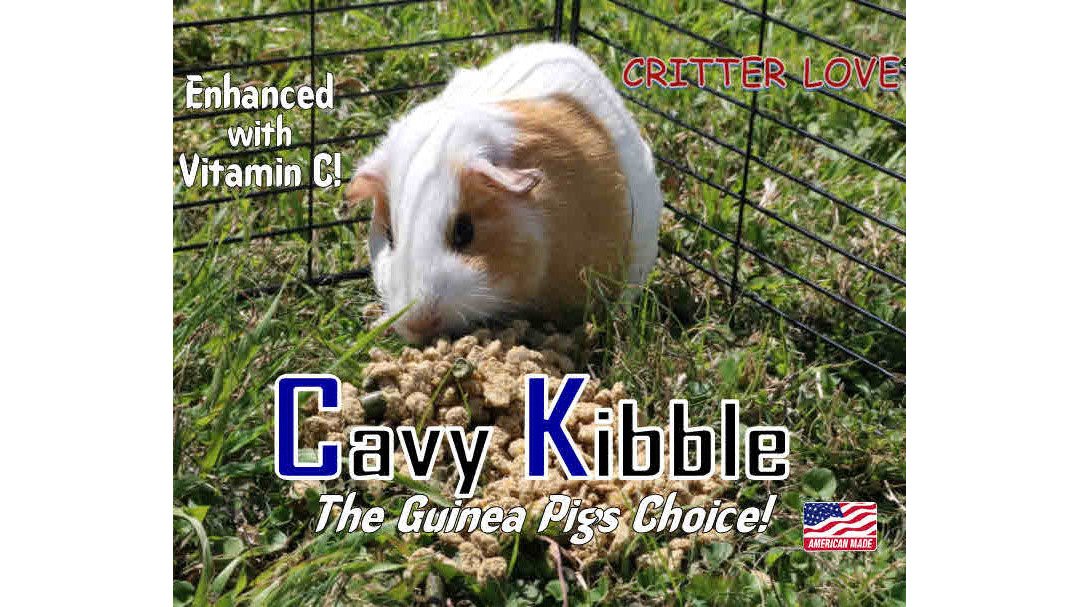
Grass and hay form the foundation, but guinea pigs also need a complete daily diet. Guinea pigs cannot make their own vitamin C, so their food must supply it. Critter Love® Cavy Kibble, Enhanced with Vitamin C is formulated with added vitamin C alongside fiber-rich ingredients (Critter Love® Cavy Kibble | critterlove.com).

Building Your Guinea Pig's Daily Feeding Routine
A simple daily routine keeps things predictable and easy to manage:
- Morning: Fresh hay refilled, measured Cavy Kibble, a small serving of fresh greens
- All day: Unlimited grass hay available
- Evening: Check droppings, remove uneaten fresh food, refill water
Keep a short note of what you feed and how your guinea pig's stools look. This makes it easy to spot changes early and talk with your vet if needed.
Critter Love® LLC built its feeding guidance around this kind of routine, so you can use the Critter Love diet plan as a starting point for combining grass, hay, and pellets into a schedule that works for your pet.
Frequently Asked Questions
Should guinea pigs eat fresh grass every day?
Guinea pigs need a constant supply of grass or grass hay for healthy digestion and to keep their continuously growing teeth worn down. Unlimited grass hay is the daily cornerstone of the diet, and fresh grass can be added as a supplement. Introduce fresh grass gradually and watch your guinea pig's droppings and appetite. Soft stools can signal that too much rich grass was offered too quickly, so scale back and consult your veterinarian if problems continue.
Can fresh grass replace hay in a guinea pig's diet?
Fresh grass can complement hay, but it should not fully replace it. Hay is available at all times and provides the long-stem fiber guinea pigs need for dental wear and gut motility. Fresh grass is a useful addition for variety and moisture, offered in measured amounts. Keeping unlimited hay in the cage every day is the safest foundation for the diet.
What kinds of grass are safe for guinea pigs to eat?
Many common lawn and meadow grasses are generally considered safe when they are pesticide-free and grown without chemicals. Timothy grass, orchard grass, and meadow hay are commonly used. Only feed grass you know has not been treated with herbicides or fertilizers, and avoid clippings from areas that may be contaminated by pets, wildlife, or road runoff. Wash grass gently and dry it before feeding.
What should guinea pigs never eat?
Avoid onions, garlic, rhubarb, iceberg lettuce, avocado, and chocolate, which can cause serious harm. Do not feed lawn clippings from treated areas, and never offer grass that may be wet, moldy, or mixed with toxic weeds. Sudden large amounts of rich fresh grass can also upset digestion. Stick to a diet built on hay and measured, vet-approved fresh foods, and check any new food before offering it regularly.


